Topic Briefing · October 25, 2026
Tech for Impact Tokyo · Munich · United States
Choose an event Blog
Insights & Updates
Speaker spotlights, strategic insights, and the latest from Tech for Impact Summit.

Topic Briefing · October 24, 2026
India's Carbon Tax Targets Per-Tonne, Not Total Emissions
India caps carbon per tonne of product, not absolute emissions. 490 entities across seven sectors must comply, but total output can still rise.

Topic Briefing · October 23, 2026
500 kW Data Centre Rule Includes Water Reporting
EU data centres ≥500 kW must report annually on energy, water use, and waste heat by 15 May under the recast Energy Efficiency Directive.

Topic Briefing · October 21, 2026
Taiwan Sent Its First Carbon Bill. Semiconductors Paid 44% of It.
Taiwan's first carbon fee cycle closed on 1 June 2026. 461 facilities paid NT$4.97 billion for their 2025 emissions, and the semiconductor sector accounted for 44.3% of the total. Most facilities paid below the NT$300 standard rate, on a discount the regulator can take back.

Topic Briefing · October 20, 2026
Korea Kept Free Allocation at 100%. It Tightened the Benchmark Instead.
K-ETS Phase 4 runs from 2026 to 2030. Carbon-leakage sectors still receive 100% of their allowances free, but benchmarking rises to 77% of allocation and the benchmark coefficient moves from the top 37% of performers to the top 20%.

Topic Briefing · October 19, 2026
How Japan's GX-ETS Hands Out Allowances: Two Formulas, One Baseline You Already Finished
Japan's mandatory carbon market allocates free allowances by benchmarking in energy-intensive sectors and grandfathering everywhere else. Both formulas are anchored to the same three fiscal years, FY2023 to FY2025.
Topic Briefing · October 18, 2026
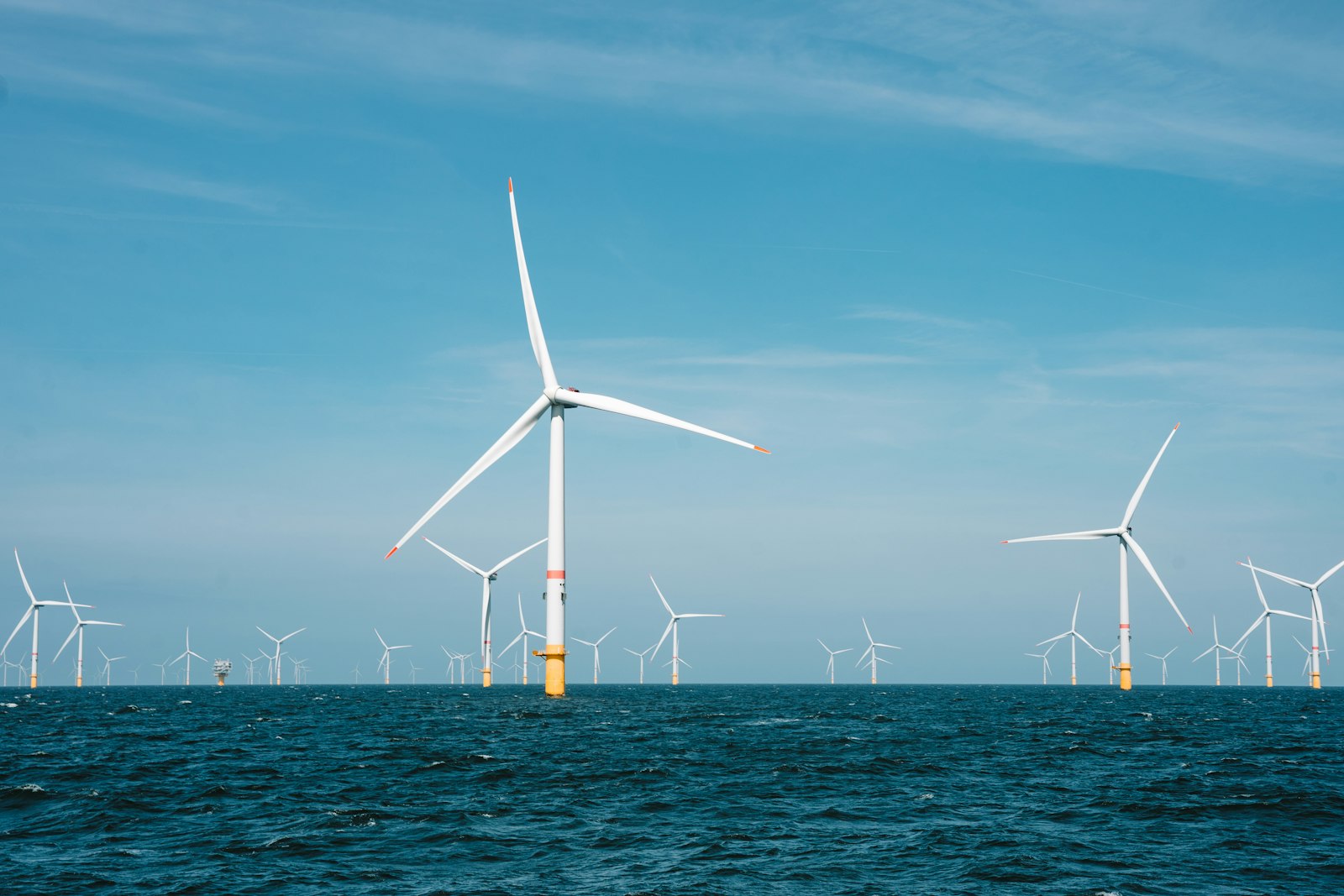
Japan's New Offshore Wind Scoring: Speed Is Worth 10 Points Out of 240
On 5 June 2026 Japan revised its offshore wind auction guideline. The published scoring table puts price at 120 points, deliverability at 120, and speed at 10.
Topic Briefing · October 16, 2026
Japan Has the World's Third-Largest Geothermal Resource and 0.3% of Its Power
Japan's 2040 outlook puts geothermal at 1-2% of the power mix against 0.3% today. The state's own programme says the binding constraints are lead time, scale, acid and drilling.
Topic Briefing · October 14, 2026
Tokyo's Solar Rule Binds Builders, Not Homeowners
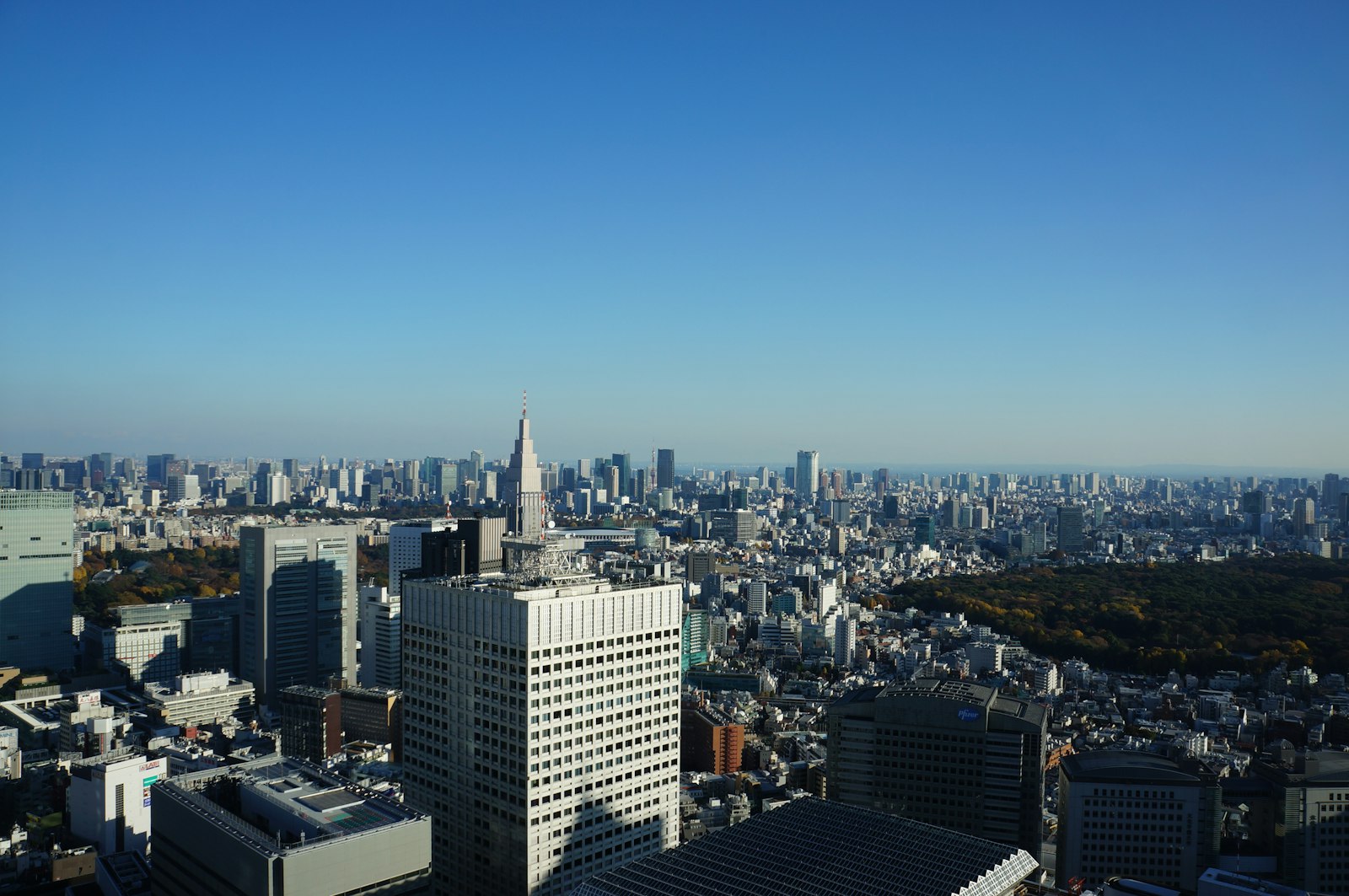
Tokyo's solar rule binds building suppliers supplying at least 20,000 m² a year in Tokyo. Its cap-and-trade sets reduction duties of 50% or 48%.
Topic Briefing · October 13, 2026
Japan Moved Crypto Under the FIEA. The Tax Starts the Year After Commencement
Japan's Act No. 64 of 2026 moves crypto trading from the Payment Services Act into the FIEA. The 20% tax rate starts the year after commencement.
Topic Briefing · October 12, 2026
Perovskite Solar in Japan: What Is Actually Being Built
Perovskite solar in Japan has a subsidy, a factory site and a date. Here is the money METI committed, what Sekisui is building in Sakai, and what is unproven.
Topic Briefing · October 11, 2026
Japan Added a Data Centre Table to Its Energy Report, and Set PUE at 1.4
Japan's FY2026 energy reporting manual adds a data centre table: IT load, ancillary load, the non-fossil share of each, PUE and utilisation. What the 1.4 benchmark asks an operator to write down.
Topic Briefing · October 10, 2026
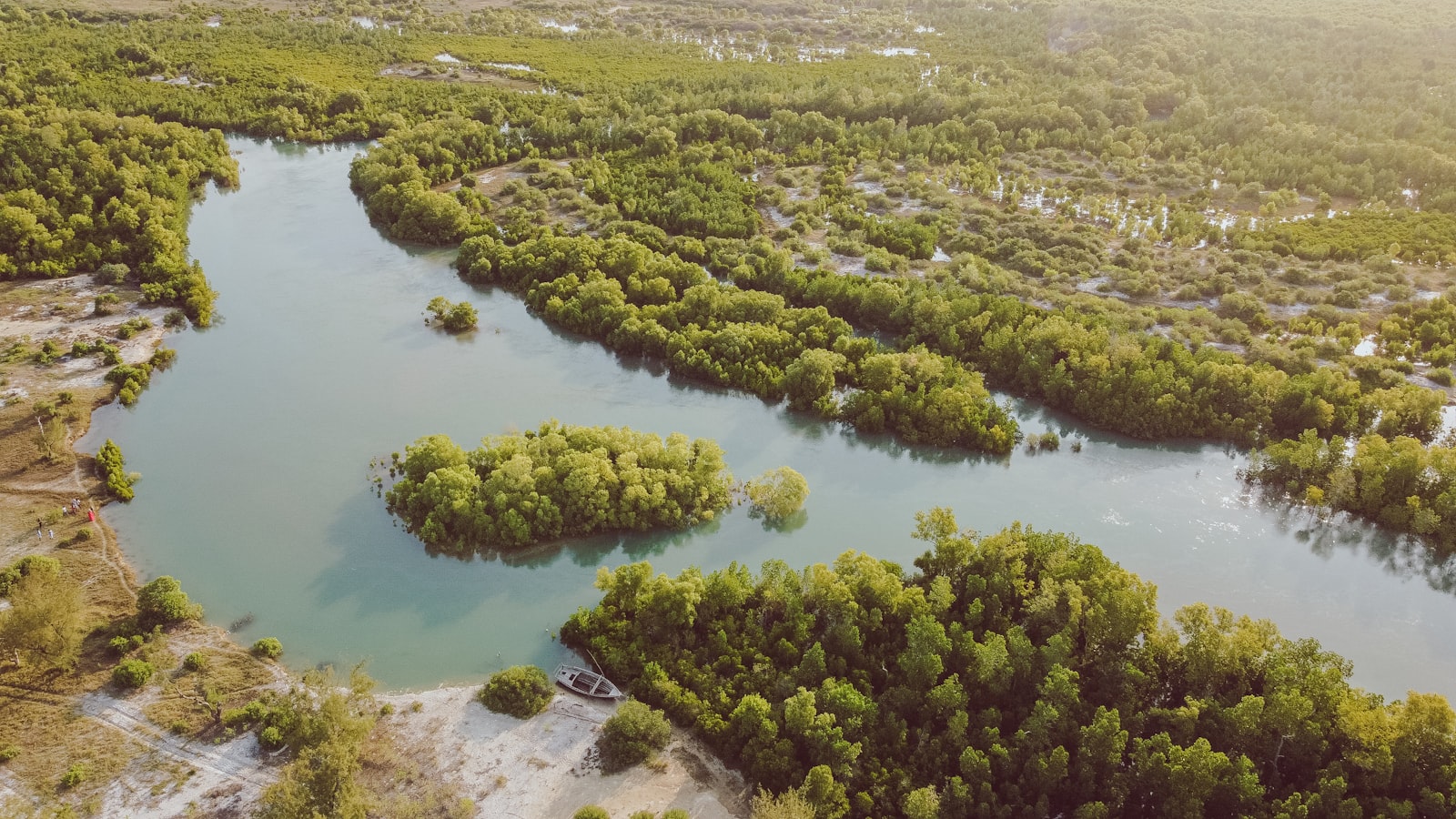
Japan Has Certified 610 Nature Sites for Its 30by30 Target
Japan has certified 610 nature symbiosis sites and registered 64,600 hectares as OECM. The 2024 statute behind them, and what it means for TNFD reporting.

Speaker Spotlight · October 8, 2026
Masaru Sakamoto on the Silicon Valley–Japan Venture Bridge
Masaru Sakamoto is a Partner at Benhamou Global Ventures, a Silicon Valley firm with a Kyoto office. What the US-Japan venture bridge is actually made of.
Topic Briefing · October 6, 2026
Hokkaido's Data Centres Run on Power That Cannot Leave
Hokkaido's data-centre cluster is co-located with wind because the 2 GW subsea HVDC link to Honshu is unbuilt. Tomakomai, Ishikari and Chitose, and the grid.
Topic Briefing · October 3, 2026
Japan's AI Act Has No Penalties. It Still Reaches Boards.
Japan's AI Promotion Act carries no fines. What it built instead is a Cabinet guideline decided on 19 December 2025 and a second AI Basic Plan of 14 July 2026.
Topic Briefing · October 1, 2026
TSMC Made Kumamoto a Chip Hub. Water Is the Constraint.
TSMC's Kumamoto fabs sit on a regulated aquifer. JASM must recharge more than it takes, and the second fab lifts the draw to 8m tonnes of groundwater a year.

Topic Briefing · September 30, 2026
Japan's SAF Mandate Begins at 1%, Not 10%, in FY2030
Japan's SAF mandate is a supplier obligation on jet fuel sold at seven airports: 1% from FY2030, rising to 5% by FY2032. The 10% figure is a separate target.

Insights · September 12, 2026
Seven Questions Climate Capital Is Actually Arguing About
On 24 September in Munich, seven tables each take one question about climate capital. The questions are published in advance. Read together, they are a map of where the money stalls.
Topic Briefing · September 10, 2026
Japan's ¥20tn GX Transition Bonds: What Has Landed
Japan's GX Economy Transition Bonds are a ¥20 trillion, ten-year programme. Here is what the Ministry of Finance has issued, where it went, and who repays it.
Event Updates · September 8, 2026
Why the United Nations University Co-Hosts T4IS 2027
The United Nations University co-hosts Tech for Impact Summit 2027 in Tokyo. What a UN co-host adds to an invitation-only executive summit, and what it doesn't.
Topic Briefing · September 7, 2026
Japan's Corporate PPAs Grew as Global Market Contracted
Global corporate PPAs fell 10% in 2025 to 55.9 GW; four tech firms took half. Japan's opposite: 500+ deals spread across many buyers since 2021.
Topic Briefing · September 6, 2026
Japan's building energy code: the retrofit challenge
From April 2025, all new buildings must meet energy standards. Yet only 13% of existing housing does—the challenge is retrofit.
Topic Briefing · September 5, 2026
Japan CCS: Nine Projects and Cross-Border Storage
Japan selected nine CCS projects. Four store CO2 abroad, making transport, permits and storage costs the next constraints.

Topic Briefing · September 4, 2026
Japan's recycled-content filing requirement: April 2026
Manufacturers must now file recycled-content plans under Japan's updated resource circulation law. The challenge: proving what's in the product.
Topic Briefing · September 2, 2026
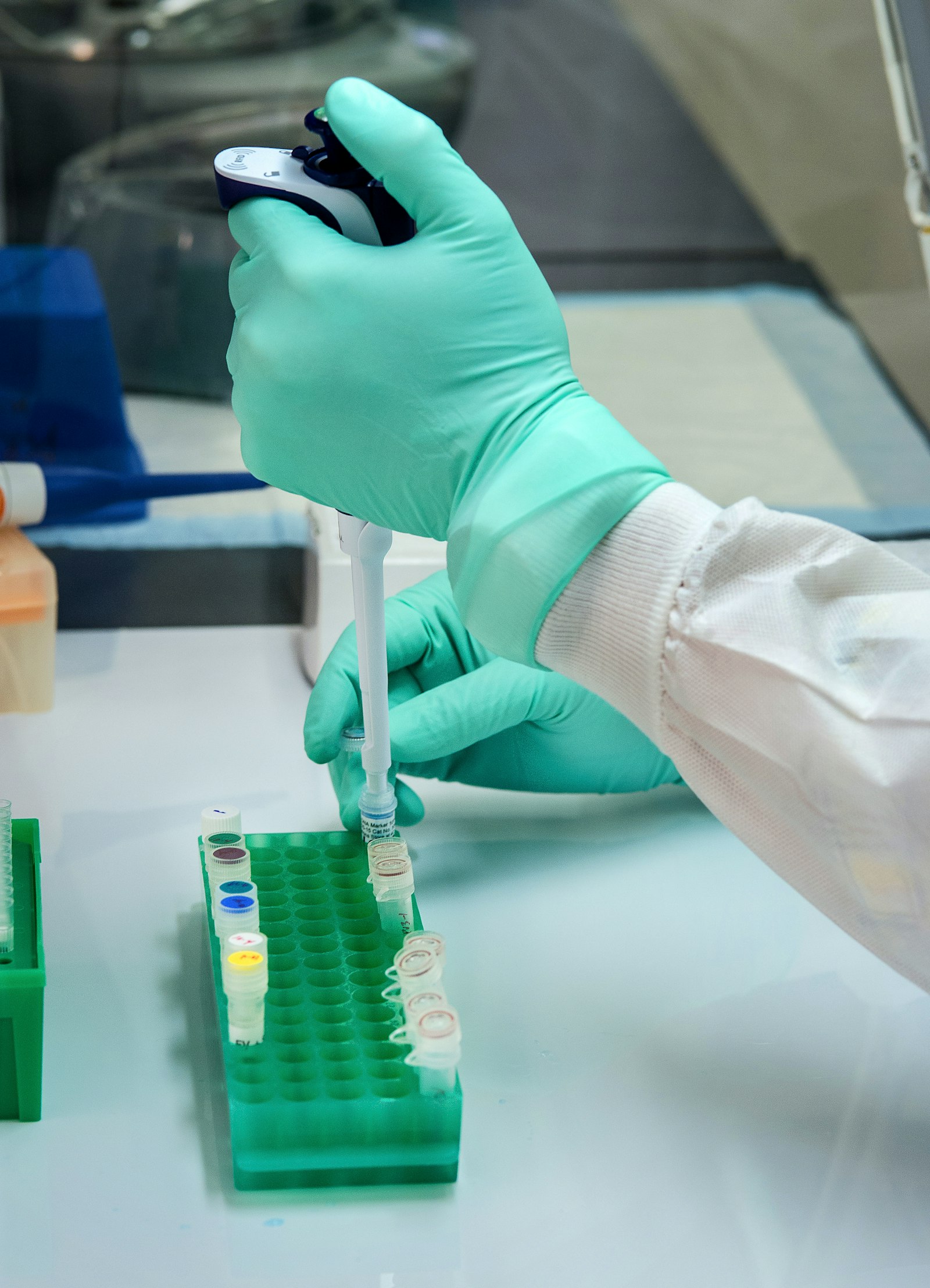
Japan's 2030 biomanufacturing target: the cost problem
Japan's Bioeconomy Strategy targets ¥53.3 trillion biomanufacturing by 2030. The challenge: bio-products cost more than fossil chemistry.
Topic Briefing · September 1, 2026
Japan Has Committed ¥1 Trillion to Space. The Climate Payload Is the Measurement Layer.
Japan's Space Strategy Fund has allocated ¥800 billion of its ¥1 trillion across three phases since FY2024. The awards that matter for climate are the Earth observation ones, because every disclosure regime now runs on measured data.
Topic Briefing · August 31, 2026
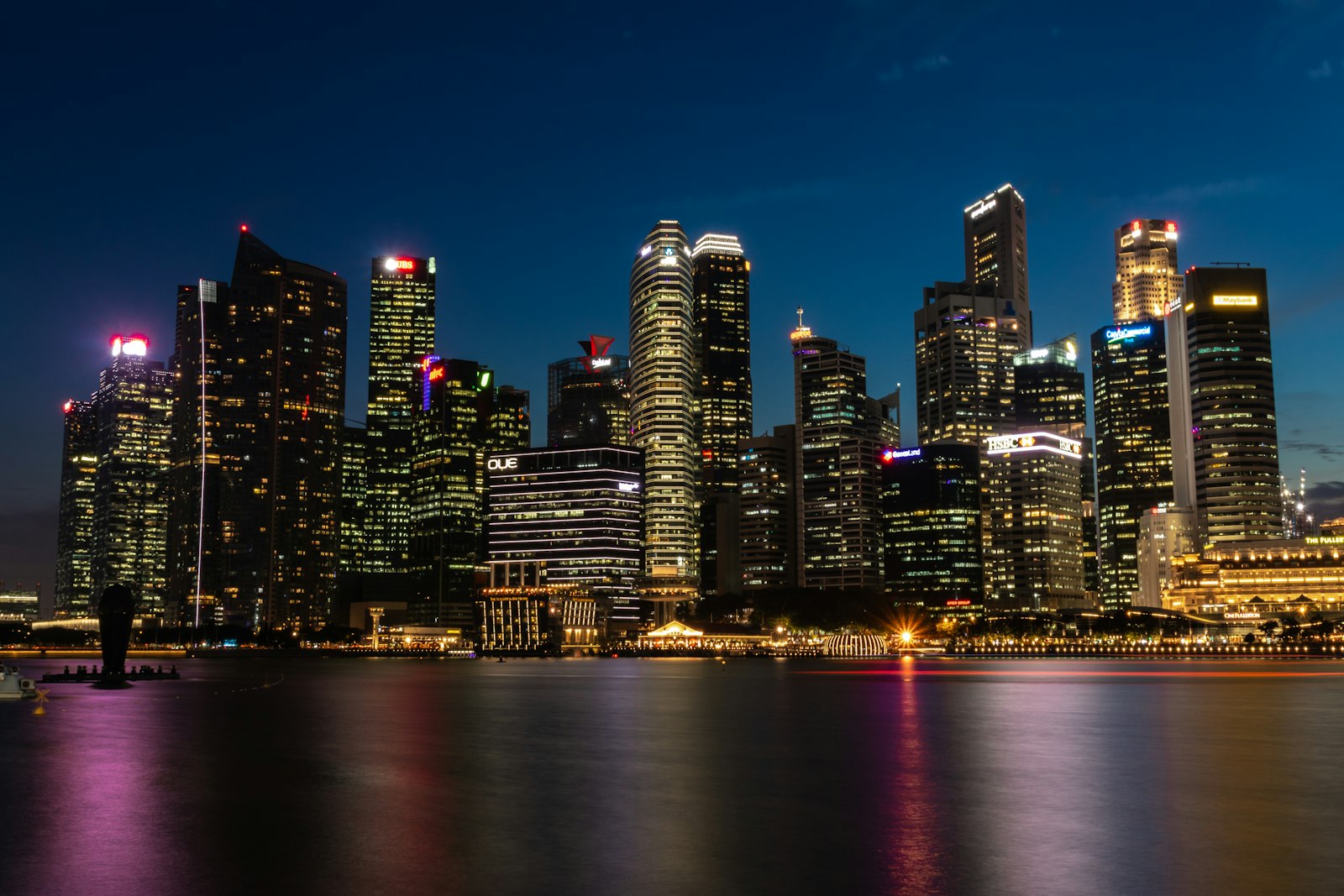
9.25 GW Approved, 200 MW Flowing in ASEAN Cross-Border Trade
Singapore approved 9.25 GW of electricity imports. Only 200 MW trades actively. Six of thirteen projects hold Conditional Licence, exceeding the 6 GW target.
Topic Briefing · August 30, 2026
Japan's Green Steel Problem Is on the Demand Side
Japan has committed over ¥300 billion of public money to replace blast furnaces with electric arc furnaces. The unresolved question is who pays the premium for the steel.
Topic Briefing · August 29, 2026
Japan's ¥150 Trillion Decarbonisation Bill Is a European Deep-Tech Market
Japan has committed more than ¥150 trillion of public and private GX investment over ten years. Much of the technology it will spend that on sits in Europe. The corridor between the two is already being built, and it is the flagship track of T4IS2027.
Topic Briefing · August 25, 2026
Japan's Carbon Removal Bet: Why the Slowest Regulator in the Room Moved First
Japan built its emissions-trading scheme to be the most cautious in the world — auctions don't start until FY2033. But on carbon removal, Tokyo moved before almost anyone else.
Topic Briefing · August 24, 2026
Japan's Rare Earth Reckoning: Why Tokyo Is Mining the Seabed to Escape a Single Supplier
China's 2026 export controls exposed Japan's dependence on one country for clean-tech minerals. Four responses: diplomacy, stockpiles, recycling, seabed mud.
Topic Briefing · August 20, 2026
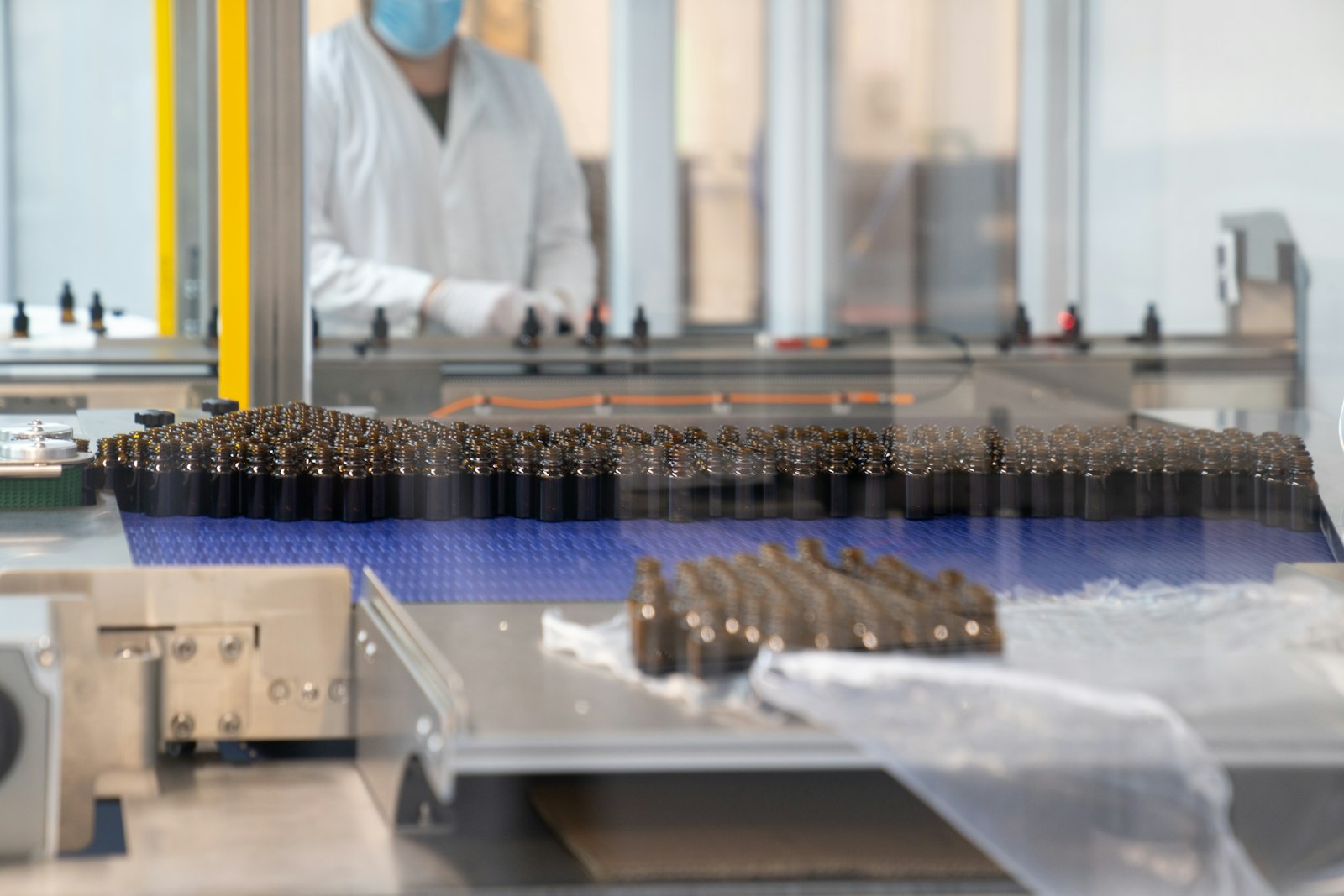
Advance Market Commitments: Demand-Side Capital Mobilization
Guaranteeing demand before a product exists can be more powerful than subsidies. How advance market commitments move capital when other instruments stall.
Topic Briefing · August 18, 2026
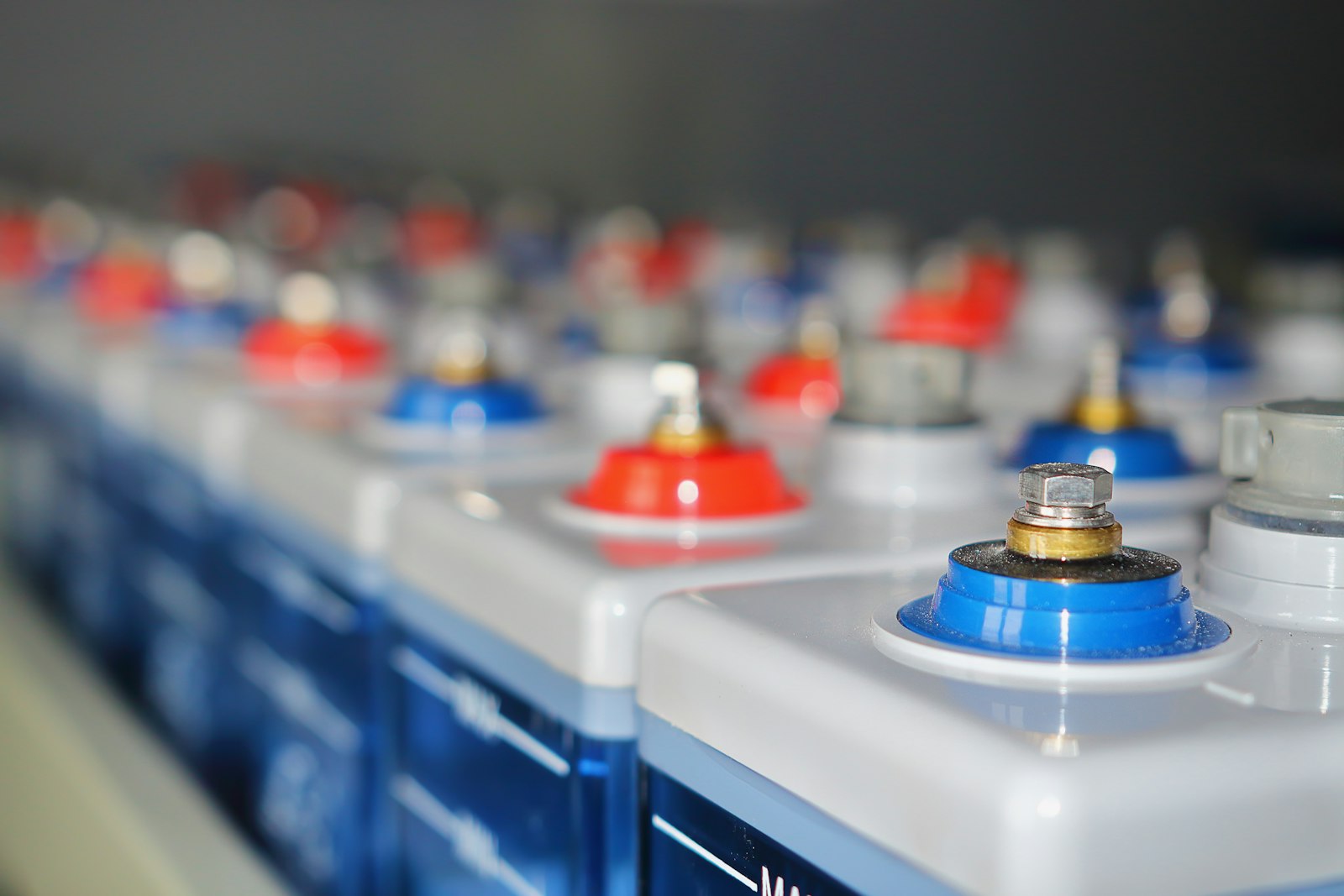
Japan's 1.25 GW Battery Award Faces a 170 GW Queue
Japan awarded 1.25 GW of grid batteries while connection applications reached 170.8 GW. The grid queue is now the bottleneck.
Topic Briefing · August 15, 2026
Japan's Physical AI Bet: Inside the Industrial Policy Behind 10 Million Robots
Japan set a target of 10 million AI-powered robots across 18 industries by 2040, backed by a ¥10 trillion public-private push. The policy exists because the labor force has no other option.
Topic Briefing · August 13, 2026
Rapidus 2nm: Japan's AI Strategy
Explore Rapidus's 2nm plans, funding, process milestones and role in Japan's semiconductor and AI compute strategy.
Topic Briefing · August 11, 2026
Cross-Border Capital Is Flowing Into Japan. The Valuation Gap Hasn't Caught Up.
A $550B US-Japan investment fund and a record $2.65B AI valuation both landed in 2025. Japanese deep tech still raises at lower valuations than comparable US companies, and this briefing looks at why.
Topic Briefing · August 8, 2026
Mitsubishi Won Offshore Wind. Then Walked Away.
Mitsubishi bid ¥11.99–16.49/kWh in 2021, won all three zones. Withdrew 1.7 GW in August 2025. Japan redesigned the auction format as a result.
Topic Briefing · August 7, 2026
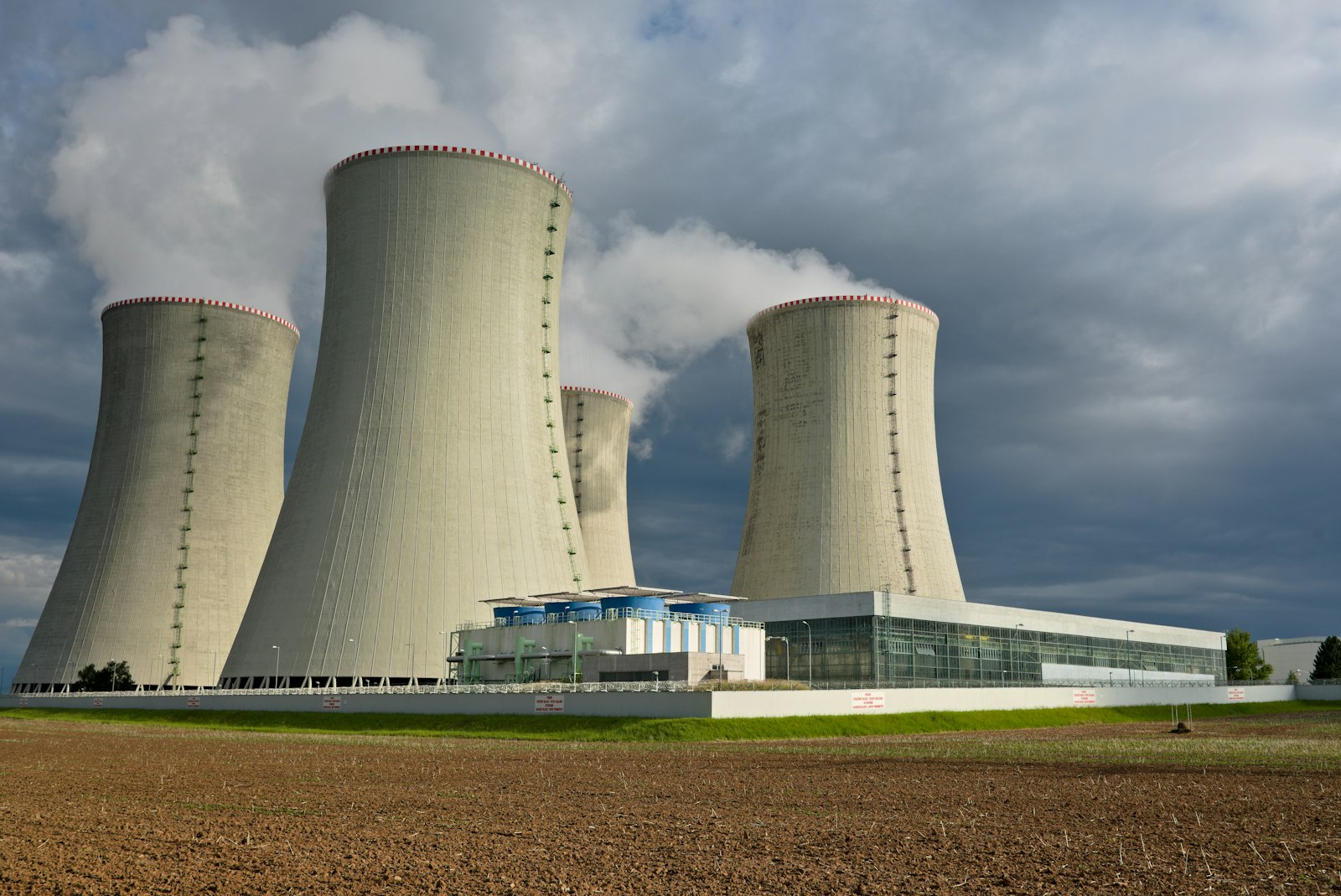
Kashiwazaki-Kariwa: 14 Years, Three Restarts
Kashiwazaki-Kariwa Unit 6 resumed commercial operation on 16 April 2026 after three restart attempts. The regulator approved it in December 2017; local consent took another eight years.
Topic Briefing · August 6, 2026
Japan Approves First iPS Cell Therapy. A Warning.
March 6, 2026: Japan approved AMCHEPRY, the world's first iPS cell therapy, on a trial of seven patients. The pathway's first approval was pulled from market in 2024.
Topic Briefing · August 5, 2026
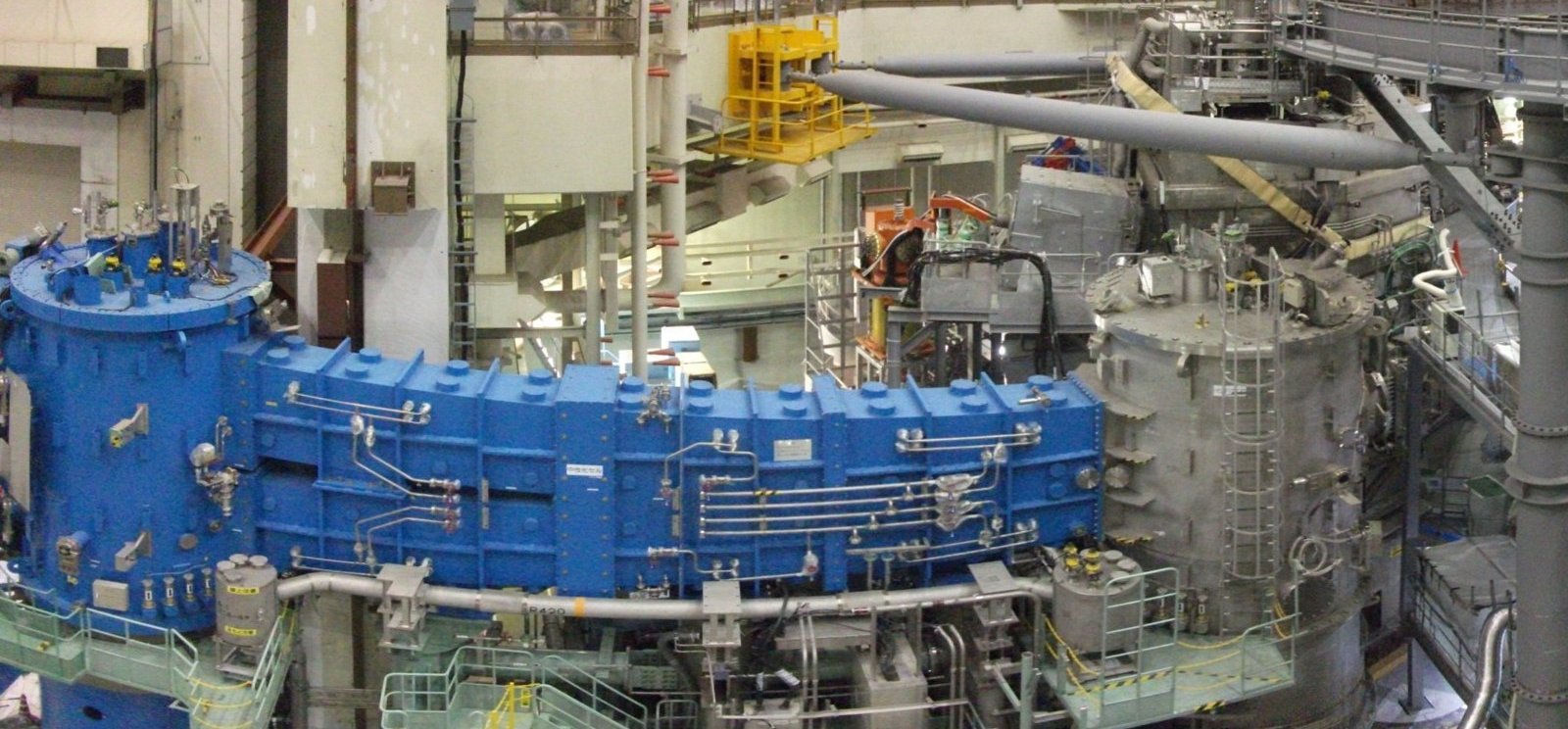
Japan's Fusion Bet. Supermarket Already Signed.
Japan targets fusion power in the 2030s. Three companies pursue different physics. Aoki Super — a regional supermarket — signed Japan's first fusion power deal.
Topic Briefing · August 4, 2026
Japan's Startup Plan: ¥10T Goal
Japan's Startup Development Five-Year Plan comes due in March 2028. The funding line is not close, the policy survived a change of government, and the most consequential reform is happening on the exit side.
Topic Briefing · August 3, 2026
Japan's GX-ETS Went Mandatory: What Changed
Japan's cap-and-trade system went mandatory April 2026. 100,000 tonne threshold, ceiling price plus 10% penalty, auctioning FY2033.

Speaker Spotlight · August 2, 2026
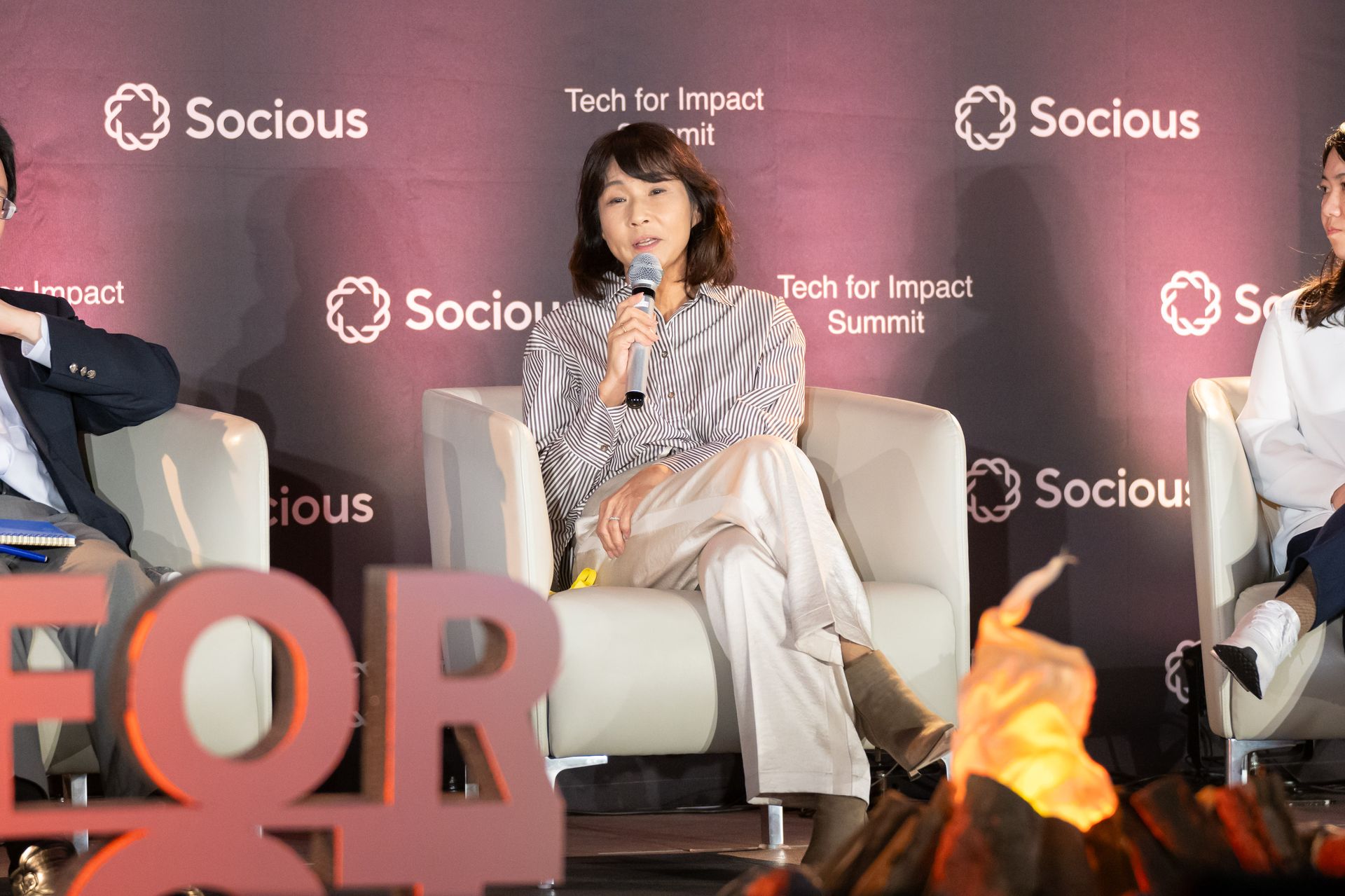
Ryohei Yanagi: The CFO Who Asked What the Rest of the Share Price Is Made Of
Japanese boards know the number they are failing: PBR below 1. Ryohei Yanagi spent a decade asking what the part above 1 is made of, and ran the regressions to find out.
Speaker Spotlight · August 1, 2026
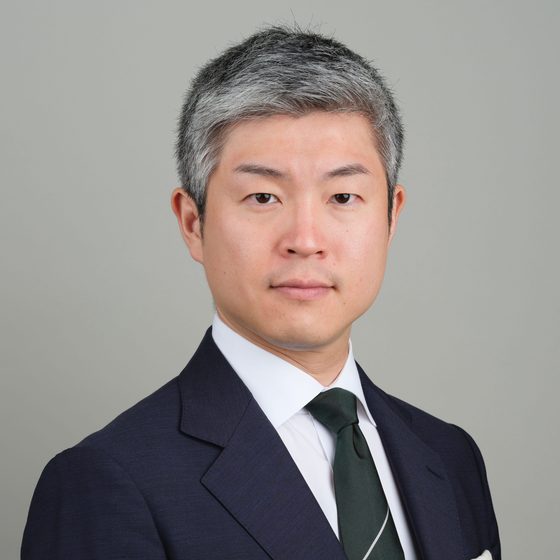
Yumiko Murakami: The Investor Who Put a Number on Japan's Head Start
From the UN to Goldman Sachs to the OECD Tokyo Centre to Japan's first ESG-focused global VC fund: why Yumiko Murakami's five-year window is an allocation decision, not a warning.
Topic Briefing · July 31, 2026
Japan's Hydrogen Bet in 2026: The Tonnage Targets Held, the Power-Mix Line Did Not
Japan kept its 3/12/20 million-tonne hydrogen targets and a ¥3 trillion price-gap subsidy, then set no hydrogen or ammonia share in the FY2040 power mix. What that gap says about the next decade of Asian energy policy.
Speaker Spotlight · July 30, 2026
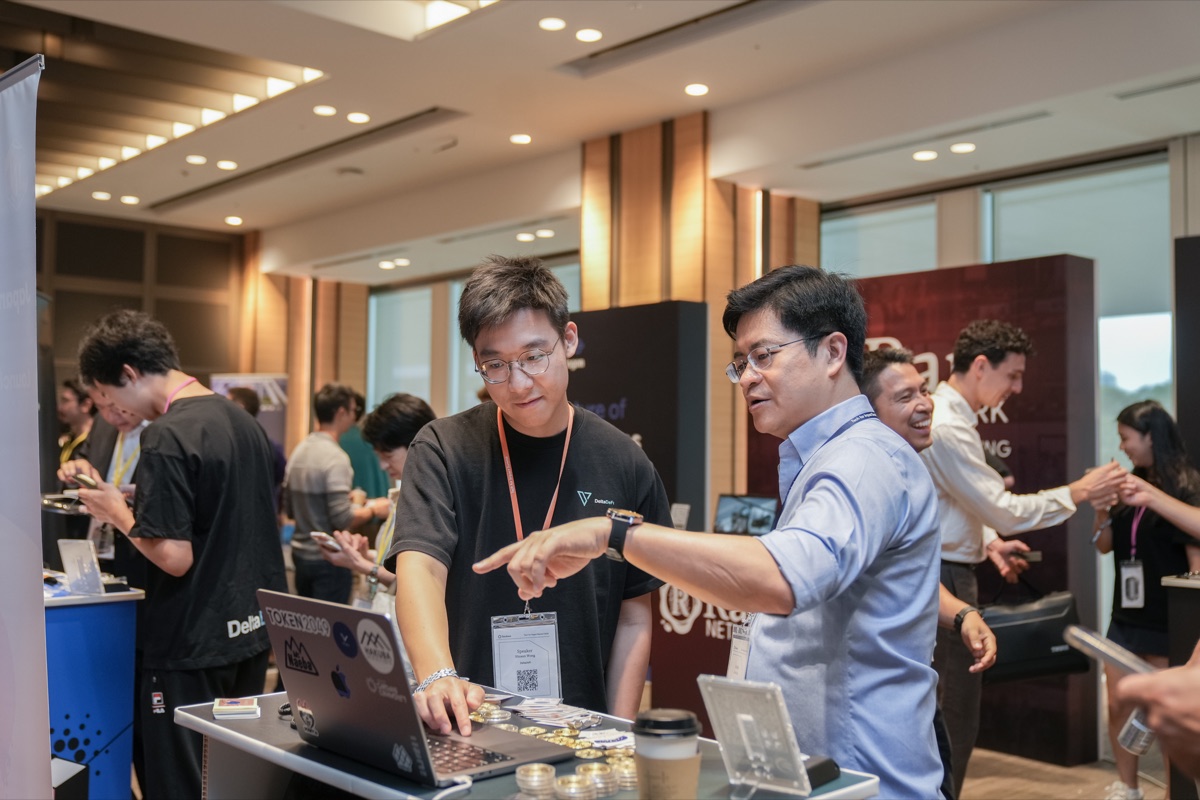
Shuhei Azuma: Japan's Youngest Mayor on Hiring in Government
As Shijōnawate's 28-year-old mayor, Shuhei Azuma discovered that civic-tech success depends not on technology choice, but on building the team to run it.
Insights · July 29, 2026
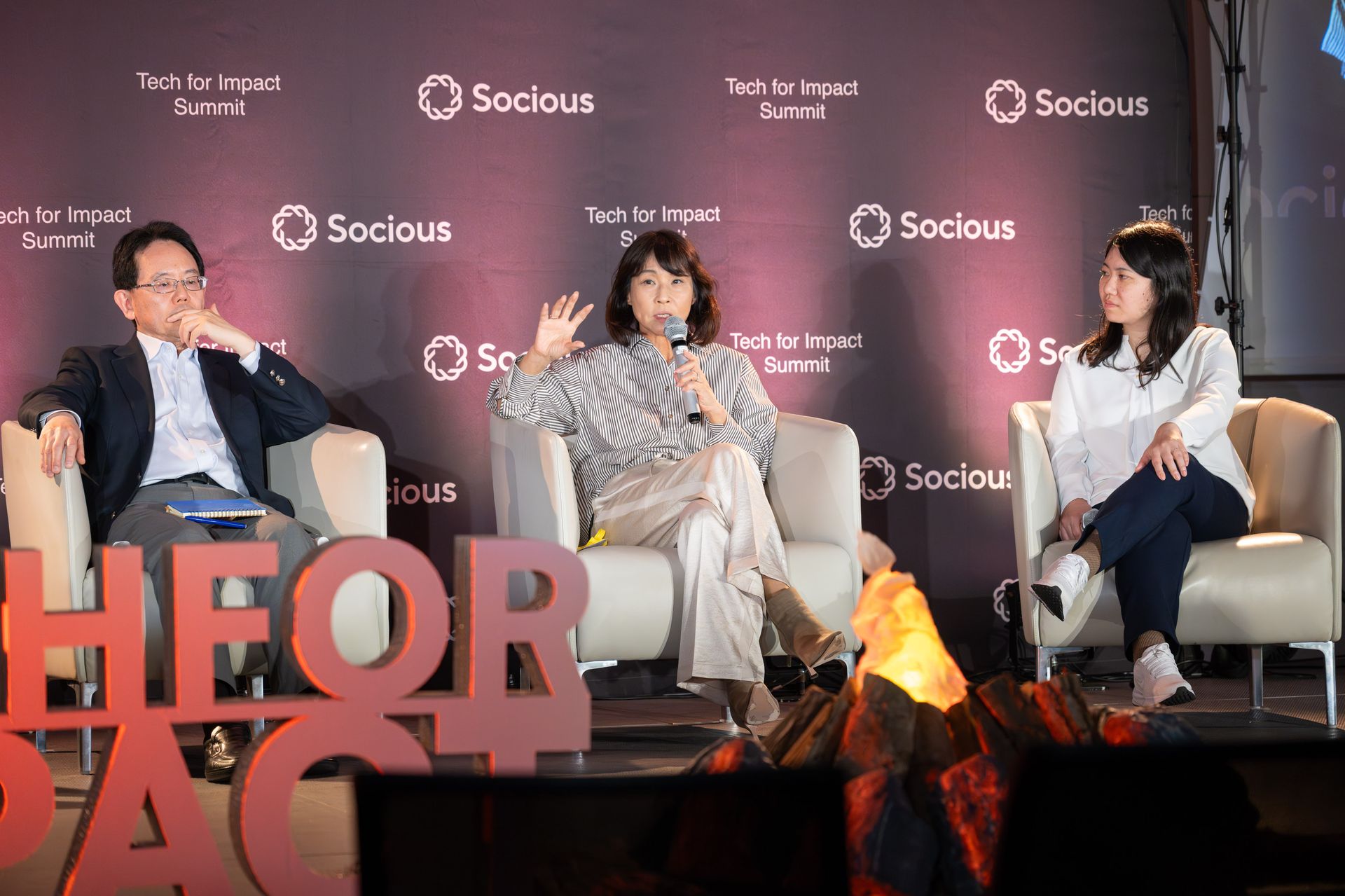
AI for Good in Asia: Where the Rooms Actually Are in 2026–2027
The AI for Good Global Summit is a Geneva event. For executives looking for the Asian equivalent, here is the actual map — Singapore's May cluster, New Delhi in August, Tokyo's innovation week — and how to tell an open floor from a vetted room.
Topic Briefing · July 28, 2026
AI Agents Remove Learning Tasks. Japan's Curve.
AI agents remove the tasks where people learned. Entry-level work faces restructuring. Japan's exposure is structural — different curve, different question for executives.

Topic Briefing · July 27, 2026
March 2028: The Year Japan's Sustainability Data Gets Audited
Japan's SSBJ disclosure mandate starts with the fiscal year ending March 2027. Assurance starts a year later. That second date, not the first, is the one that changes how companies operate.

Speaker Spotlight · July 26, 2026
Miku Hirano: AI From Inside Three Cabinets
Cinnamon AI co-founder Miku Hirano has sat on Cabinet councils under three prime ministers. At T4IS 2026 she spoke about what AI does to startup funding, the women-founder funding gap, and a bias she found in herself.

Insights · July 23, 2026
SusHi Tech Tokyo 2027: The Complete Guide to Tokyo's Innovation Week (May 20–22)
SusHi Tech Tokyo 2027 is confirmed for May 20–22. What the record 2026 edition signals, and how the invitation-only Tech for Impact Summit fits into the week.
Topic Briefing · May 15, 2026
TNFD Adoption in Asia: Why Japan Leads
TNFD passed 733 adopters and $22T AUM, with Japan leading. Inside Asia's nature-disclosure wave and the ISSB biodiversity standard.
Topic Briefing · May 14, 2026
Asia's CBAM Reckoning: Three Carbon Pricing Strategies for 2026
January 1, 2026: The EU's CBAM became financially binding. Japan, Korea, and ASEAN chose different carbon pricing responses. The gap now reshapes 2026 trade and capital flows.

Topic Briefing · May 14, 2026
The 2026 Identity Stack: How EUDI, My Number 2.0, and NIST 800-63-4 Are Rewiring the Trust Layer
EUDI Wallets, Japan's My Number 2.0, and NIST 800-63-4 all land in 2026. A briefing on the deadlines and the systems being built on top of them.
Topic Briefing · May 14, 2026
The Quantum × AI Convergence Just Got Real: Japan's 1,024-Qubit Roadmap and the Post-Quantum Cliff
Fujitsu and RIKEN scale to 1,024 qubits in 2026 as NIST's post-quantum standards trigger enterprise migration. Why quantum × AI is now a board question.
Topic Briefing · May 13, 2026
Asia's AI Rulebook Forked Three Ways: Korea, Singapore, Japan
Korea's AI Basic Act took effect Jan 22, 2026. Singapore launched the world's first agentic AI governance framework that same day. Japan chose innovation-first. Asia's three AI rulebooks don't match the EU AI Act.

Topic Briefing · May 13, 2026
The $310 Billion Question: Climate Adaptation Finance Becomes Asia's Capital Markets Frontier
UNEP's 2025 report puts adaptation finance needs at US$310B/year by 2035 — 12 to 14 times current flows. The gap is now Asia's defining capital question.
Topic Briefing · May 13, 2026
The Programmable Yen: Inside Japan's Three-Lane Stablecoin Stack Going Live in 2026
Japan has built the world's most regulated stablecoin architecture: three issuance lanes — banks, fund-transfer providers, trust banks — going live in 2026.

Event Updates · May 12, 2026
Catalytic Funding: Why Human Capital Matters as Much as Money
Ken Shibusawa, Jesper Koll, Anastasiia Dieieva: Japan's $1.7T pension fund needs catalytic human capital to drive impact investing. T4IS 2026 panel recap.

Event Updates · May 12, 2026
K-Wave as Tech Stack: Jaejoon Song
Crit Ventures founder Jaejoon Song's T4IS 2026 keynote — how Korea engineered a global cultural export business on top of mobile, AI, and platform rails.
Topic Briefing · May 12, 2026
Japan's Sovereign AI Bet: Inside the 2026 Policy Landscape
Japan's AI Promotion Act, AI Basic Plan, and ¥1.23T sovereign AI commitment redefine the 2026 regulatory landscape. What C-suite leaders need to know now.
Event Updates · May 11, 2026
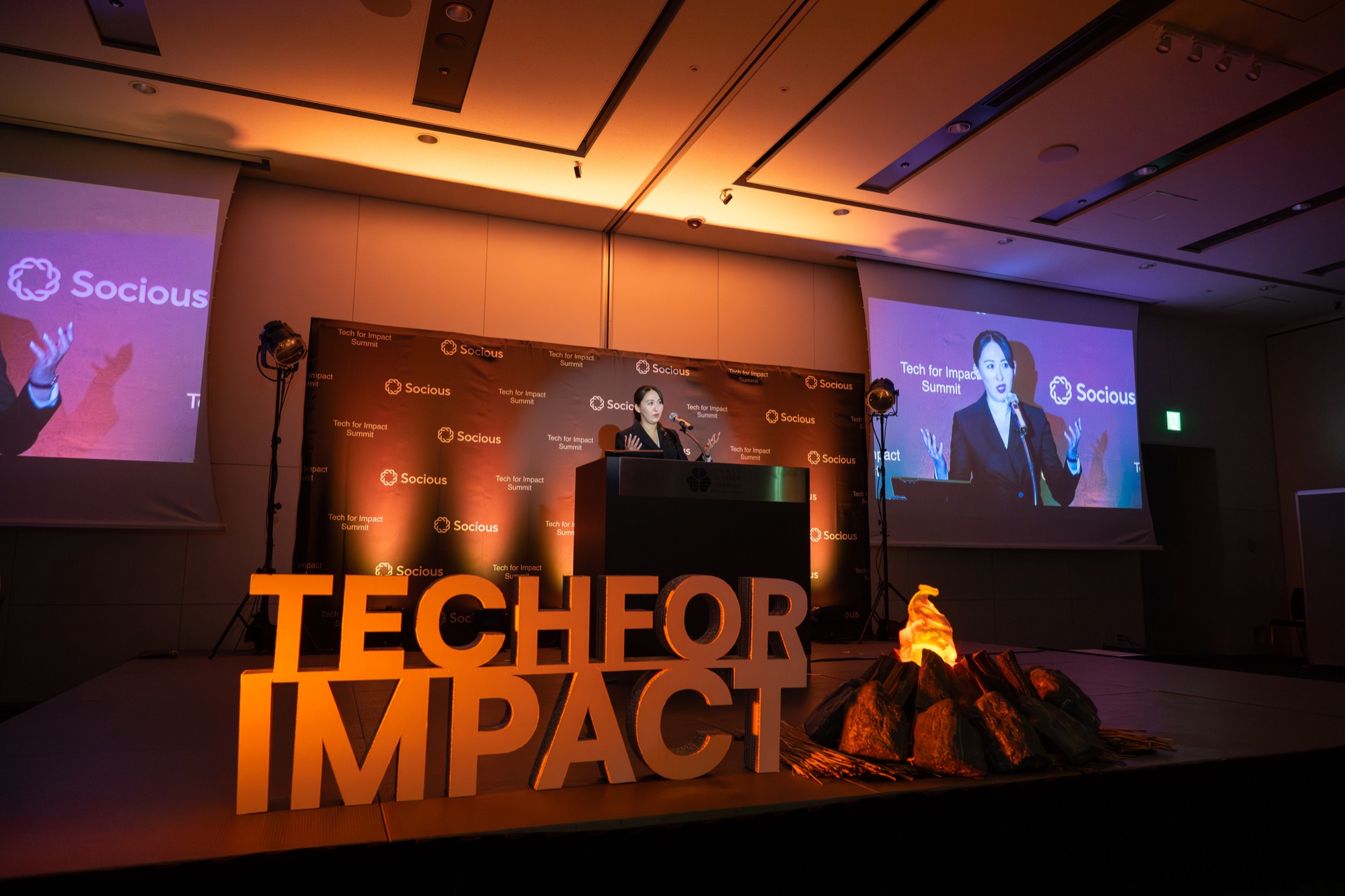
Eri Arfiya on Representation in AI Governance
Vice Minister Eri Arfiya closed T4IS 2026 with a speech on representation in Japanese politics and AI governance, from her UN desk to four campaigns in 3.5 years.
Event Updates · May 11, 2026
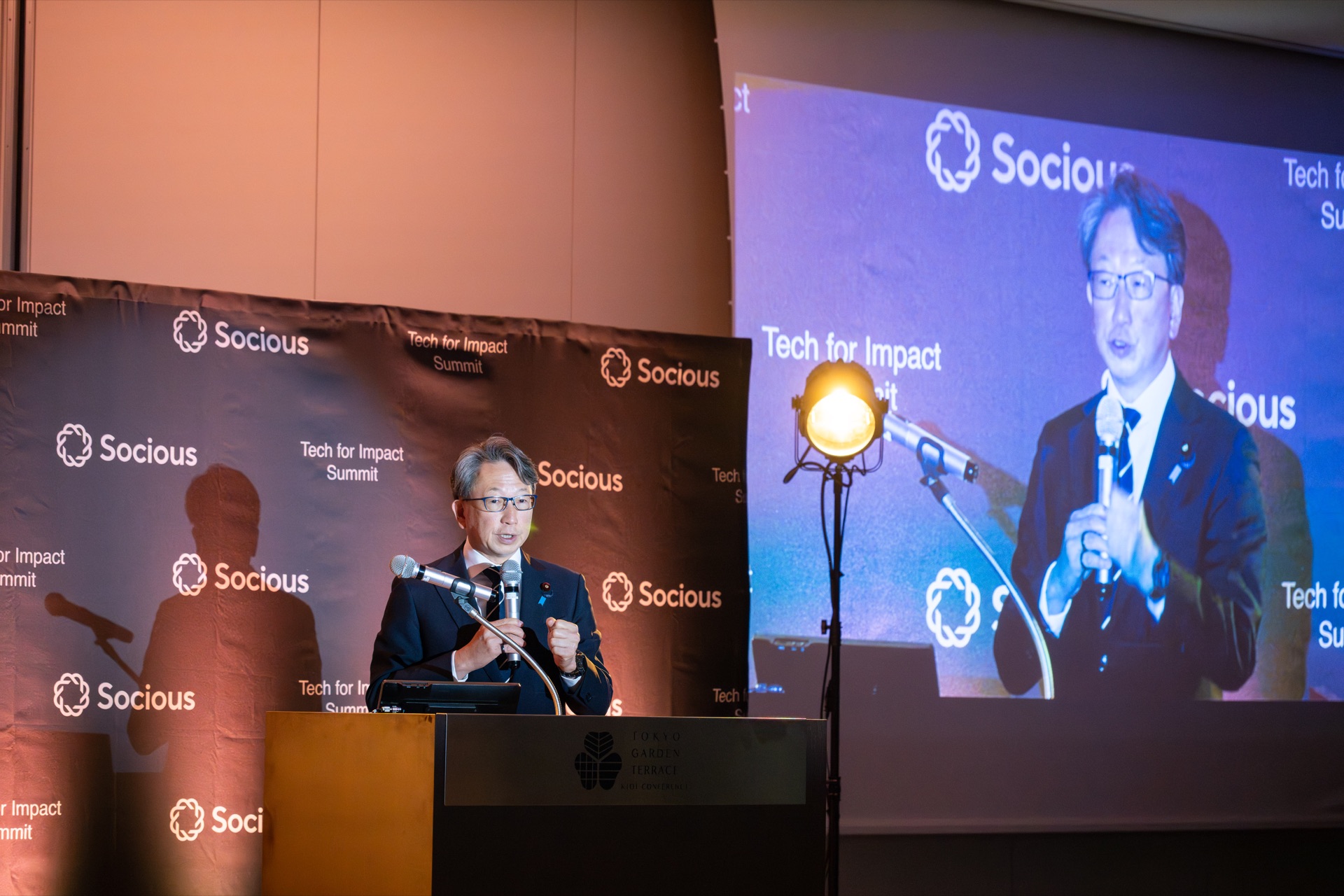
Masaaki Taira on AI, Stablecoins, and Japan's Policy
Former Digital Minister on Japan's AI policy roadmap, the new AI × On-Chain Finance Project Team, and why agentic AI converges on stablecoins.
Event Updates · May 11, 2026
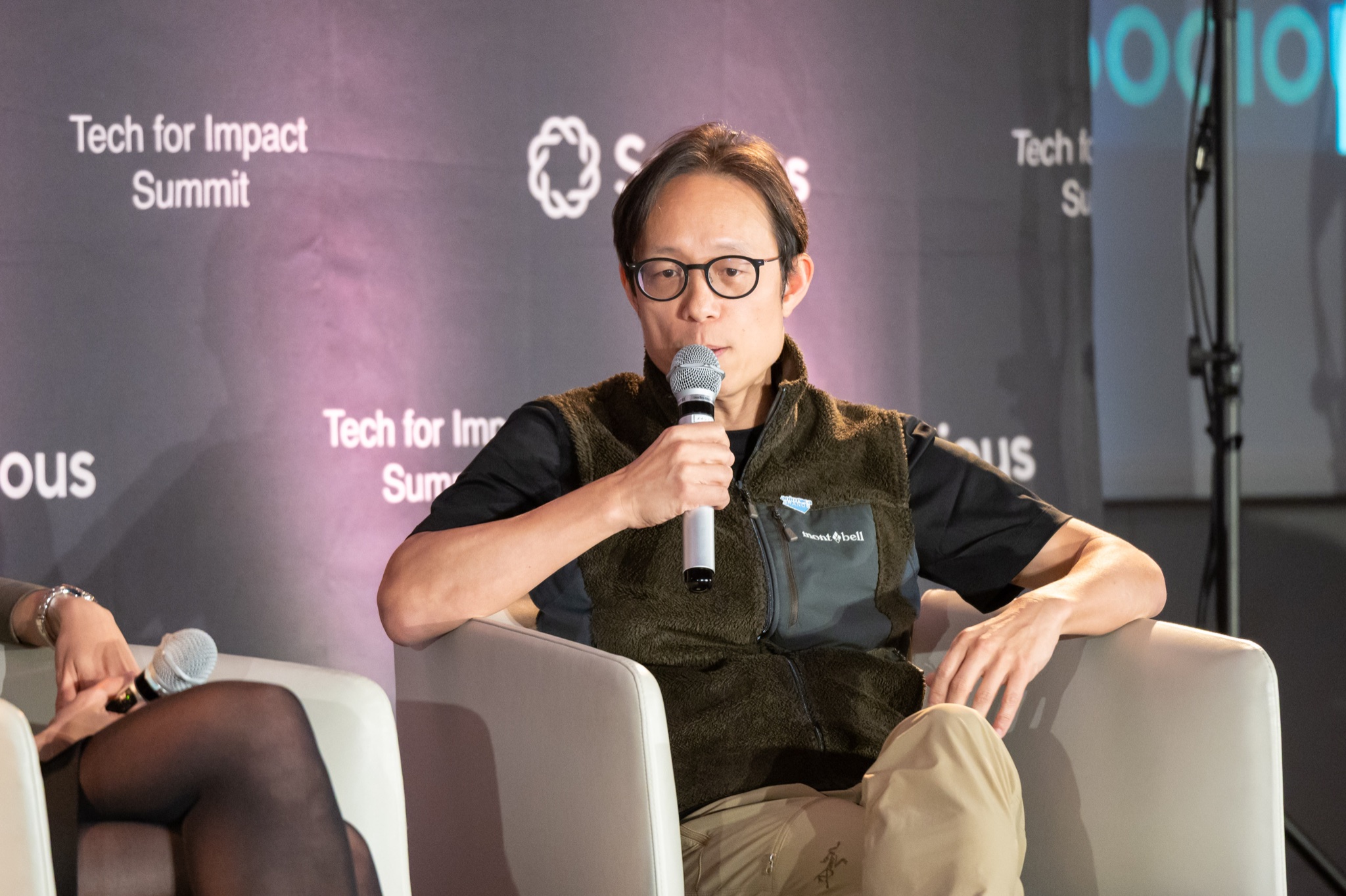
Yat Siu on Web4 and the Agentic Web
Animoca Brands co-founder on Web4, billions of AI agents on stablecoins, and why Japan's orchestration culture is its advantage in the agentic-AI era.
Event Updates · May 9, 2026
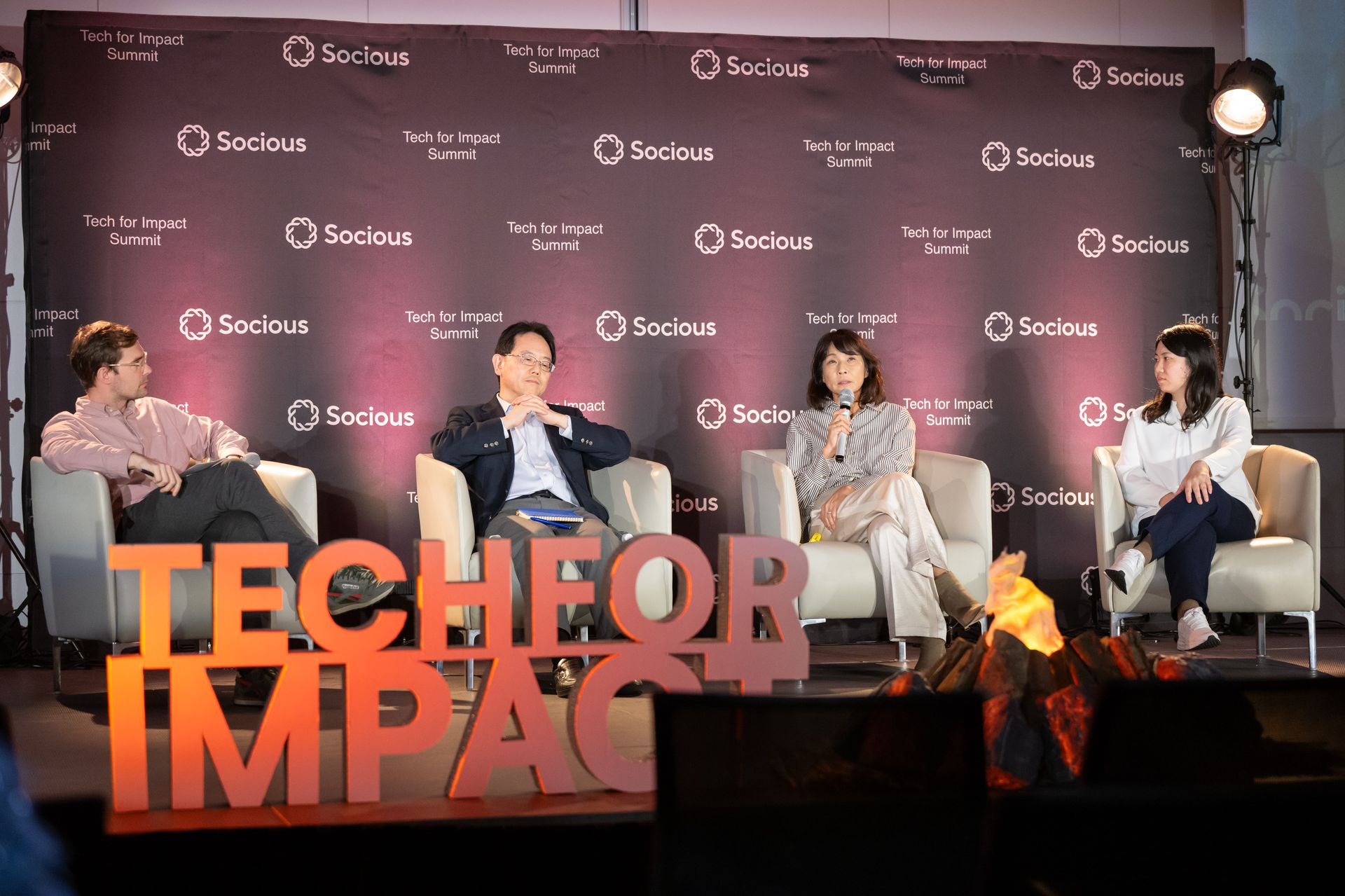
Japan's Five-Year AI Education Window — Learning in the Age of AI (T4IS 2026 Panel)
How Japan's math and literacy advantages, AI's skills gap, and curriculum urgency frame the next five years of education and capital deployment.

Event Updates · May 9, 2026
The Mispricing of Female Founders — Women Building the Future (T4IS 2026)
Female founders raise 60% less capital but reach IPO 30% faster. The structural mispricing hypothesis and how venture capital misses talent.

Event Updates · May 2, 2026
Kunimitsu: Web3, Privacy, and Stablecoins
Hironao Kunimitsu on Web3 evolution, privacy gaps, real-world asset tokenization, AI agents, and why the industry needs a reset.

Speaker Spotlight · April 30, 2026
Masaaki Taira: Japan's AI Policy & LDP Strategy
Former Digital Minister Masaaki Taira reveals how to read Japan's AI and blockchain strategy through LDP project teams. Featured at Tech for Impact Summit 2026.

Speaker Spotlight · April 29, 2026
K-Culture Goes Global: Korea's Strategy
Crit Ventures founder Jaejoon Song on the platforms and data systems behind K-Pop, K-Drama, K-Beauty, and K-Webtoons.

Press Release · April 10, 2026
Crit Ventures Joins Tech for Impact Summit 2026 as Bronze Partner
Crit Ventures, a global venture capital firm investing at the intersection of gaming, AI, and digital IP, joins Tech for Impact Summit 2026 as a Bronze Partner.
Insights · April 5, 2026
Japan's Carbon Market Goes Live: What Business Leaders Need to Know
Japan's mandatory emissions trading system takes effect April 2026, requiring 300-400 top polluters to report emissions. What this means for corporates, investors, and the technology ecosystem.

Speaker Spotlight · March 31, 2026
Yat Siu: Why Gaming and Digital Property Rights Are the Future of Ownership
Yat Siu, Animoca Brands co-founder, joins Tech for Impact Summit 2026 to discuss digital property rights, Web3 gaming, and why Japan is leading the ownership revolution.
Event Updates · March 30, 2026
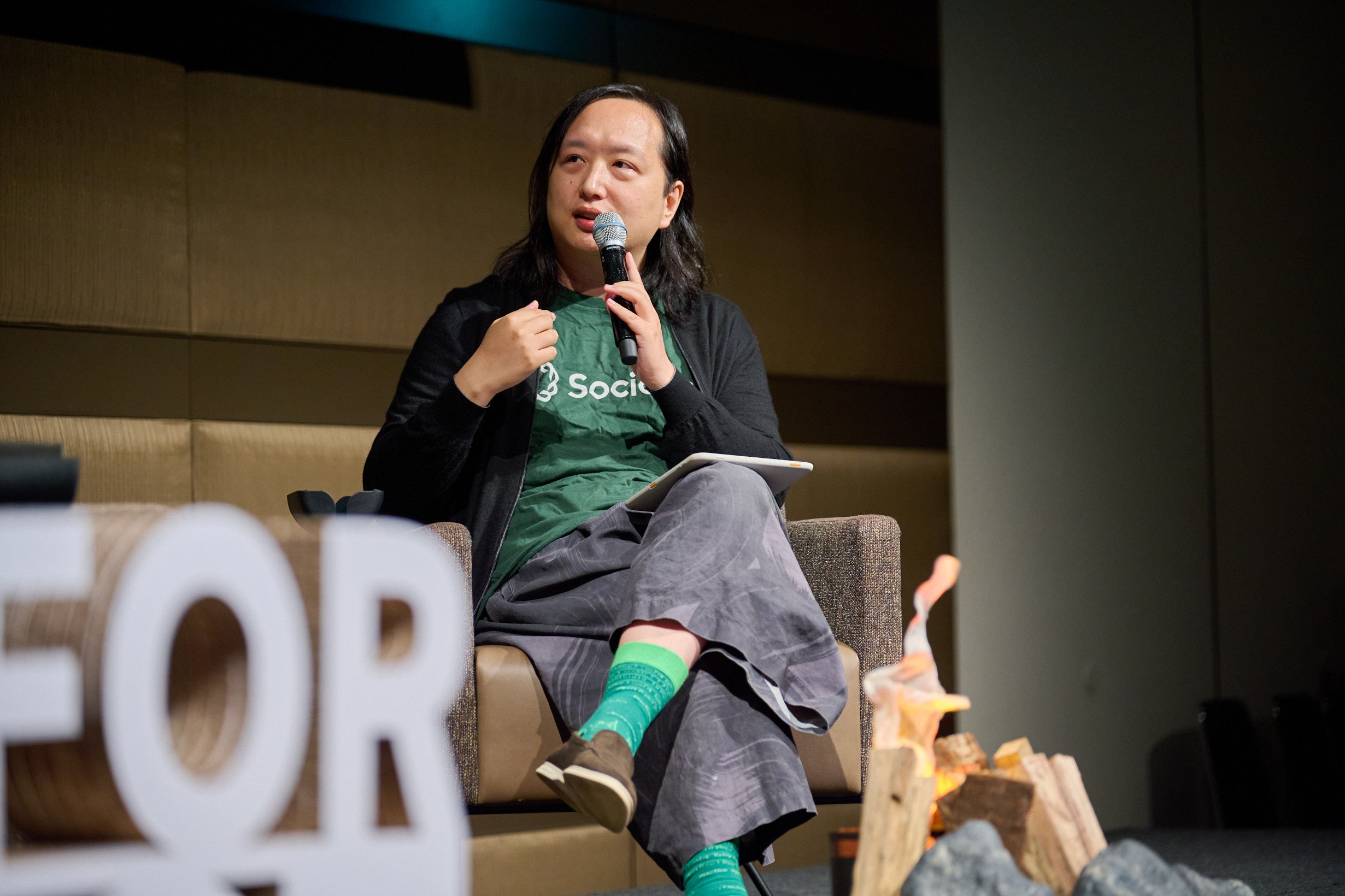
SusHi Tech Tokyo 2026: Your Complete Guide to Tokyo's Biggest Innovation Week
Everything you need to know about SusHi Tech Tokyo 2026 — dates, venue, themes, and how Tech for Impact Summit fits into Tokyo's innovation week. April 27-29.

Press Release · March 28, 2026
Kioi Conference Joins Tech for Impact Summit 2026 as Gold Partner
Tokyo Garden Terrace Kioicho's Kioi Conference — a premium urban venue directly connected to Nagatacho Station — joins Tech for Impact Summit 2026 as Gold Partner, hosting the invitation-only leadership summit on April 26, 2026.

Speaker Spotlight · March 27, 2026
Charles Hoskinson on Cardano and Japan Web3 Policy
Cardano founder Charles Hoskinson on Midnight privacy infrastructure, RealFi lending, and Japan's role in Cardano's 2027 strategy. T4IS 2026 recap.
Event Updates · March 25, 2026
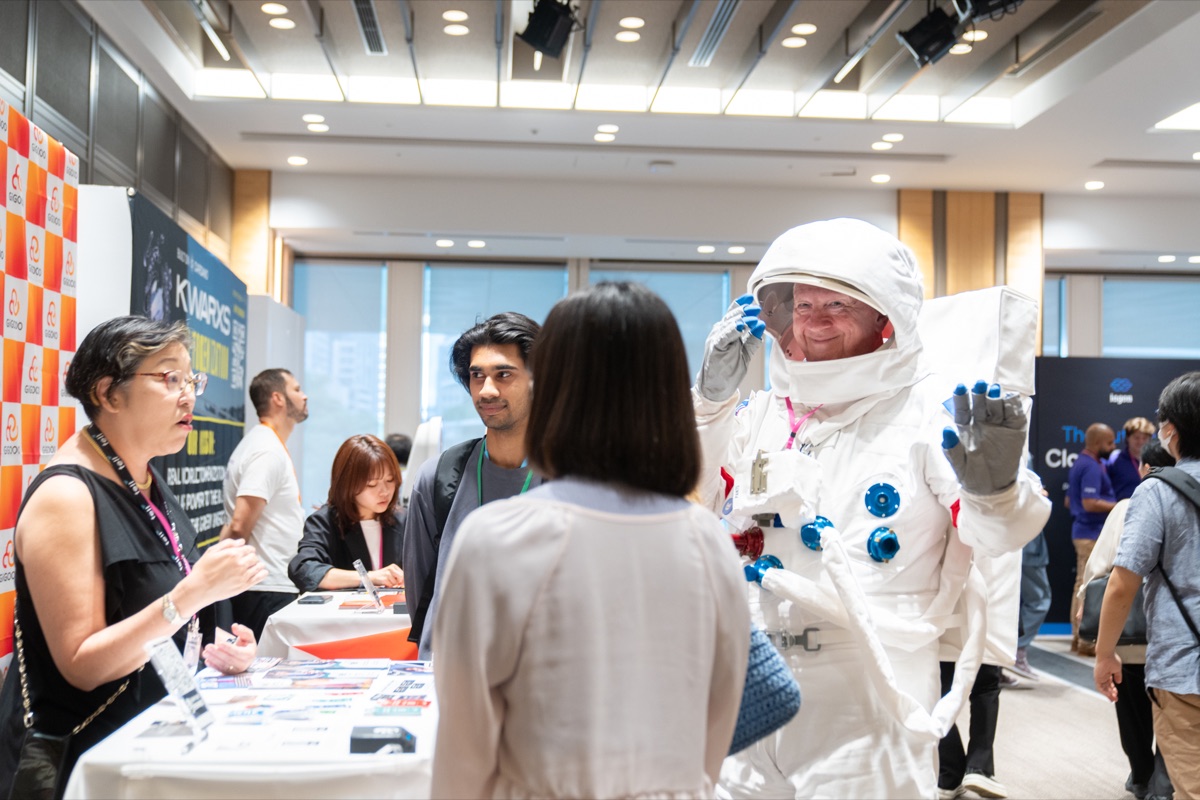
Tech for Impact Summit 2026 Opens Tomorrow, April 26
Tech for Impact Summit 2026 opens tomorrow at Kioi Conference, Tokyo. Who is speaking, what the program covers, and why the summit was built this way.
Event Updates · March 25, 2026
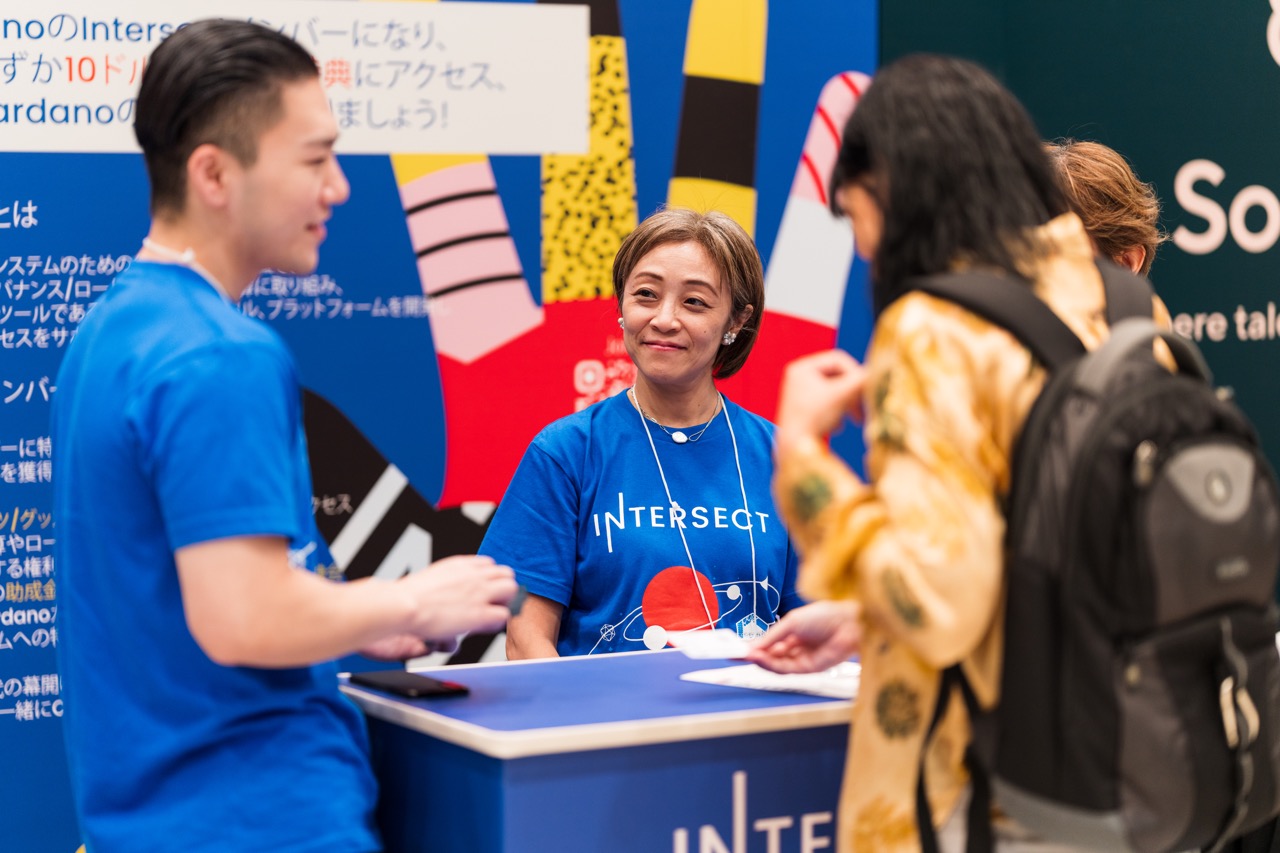
What to Expect at Tech for Impact Summit 2026: The Definitive Preview
Everything you need to know about Tech for Impact Summit 2026 — the invitation-only executive summit on April 26 in Tokyo. Format, speakers, sessions, and how to get in.

Event Updates · March 24, 2026
48 Hours to Go: Your Final Checklist for Tech for Impact Summit 2026
The Tech for Impact Summit 2026 is two days away. Here's everything you need to know — confirmed speakers, key sessions, venue details, and what to expect at Tokyo's most important leadership gathering of the year.

Speaker Spotlight · March 23, 2026
Robert Garber: Healthcare Innovation and the Future of Health Tech Investing
Robert Garber of 7wire Ventures joins Tech for Impact Summit 2026 to discuss digital health investing, AI diagnostics, and why Japan's aging population represents the world's most important proving ground for health technology.
Insights · March 22, 2026
AI Data Centers and Japan's Clean Energy Supply
AI data centers could use as much electricity as Japan's whole economy by 2030. Where the power comes from: fusion, fission, renewables, and the infrastructure gap discussed at Tech for Impact Summit 2026.

Speaker Spotlight · March 21, 2026
Anastasiia Dieieva: Rebuilding Ukraine Through Technology and Education
Anastasiia Dieieva of the Tokarev Foundation joins Tech for Impact Summit 2026 to share how Ukraine's tech sector is driving national resilience through education, innovation hubs, and digital skills training amid conflict.

Speaker Spotlight · March 20, 2026
Kathy Matsui: Japan's Womenomics Pioneer on Venture & ESG
Goldman Sachs' Kathy Matsui on 25 years of Womenomics, backing female founders, and Japan's venture capital future.
Speaker Spotlight · March 20, 2026
Tim Kelly: Covering Japan's Tech Transformation
Reuters Tokyo correspondent Tim Kelly discusses how international media shapes the narrative around Japan's innovation economy at Tech for Impact Summit 2026.

Insights · March 19, 2026
Plurality and Collaborative Technology: A New Vision for Democracy
Plurality: how Glen Weyl and Audrey Tang's framework for harnessing diversity rewrites democracy and collective decision-making in the age of polarization.

Speaker Spotlight · March 18, 2026
David Freiberg: Why Impact Accounting Is the Next Frontier for CFOs
EY partner and former Harvard Business School faculty David Freiberg joins Tech for Impact Summit 2026 to explain why impact accounting — monetizing social and environmental externalities — is becoming essential for every CFO.
Insights · March 18, 2026
Women Building the Future: Why Japan's Gender Gap Is a Capital Allocation Problem
Female founders receive less than 3% of venture funding in Japan. At Tech for Impact Summit 2026, leaders from MPower Partners, NTT, and beyond tackle the capital, boardroom, and pipeline challenges head-on.
Insights · March 17, 2026
How Superintelligence Will Eradicate Disease: AI's Boldest Promise
From AlphaFold to AI diagnostics outperforming specialists, artificial intelligence is rewriting medicine. Could superintelligence eliminate cancer, Alzheimer's, and aging? The science and stakes for leaders.
Speaker Spotlight · March 16, 2026
Kiyoshi Seko: Fusion Energy From Science Fiction to Commercial Reality
Kiyoshi Seko, COO of Kyoto Fusioneering, joins Tech for Impact Summit 2026 to discuss how Japan is building the critical infrastructure to make commercial fusion power a reality.

Insights · March 15, 2026
Privacy as a Common Good: Data Rights in the AI Era
GDPR, Japan's APPI, US state laws and China's PIPL in 2026, plus the five privacy-enhancing technologies now in commercial use and the self-sovereign identity systems being built on them.

Speaker Spotlight · March 15, 2026
Former Digital Minister Taro Kono on Japan's Digital Governance (T4IS 2026)
Former Digital Minister Taro Kono on platform power, My Number, and democratic accountability — a Tech for Impact Summit 2026 session preview.

Speaker Spotlight · March 14, 2026
Simon Hirtzel: Deep Tech Investing From Cambridge Labs to Global Markets
Simon Hirtzel, Managing Partner of IQ Capital, joins Tech for Impact Summit 2026 to discuss why deep tech investing — from quantum computing to photonics — is the most consequential capital allocation strategy of the next decade.

Insights · March 13, 2026
Neuralink vs Synchron: Brain-Computer Interface Evidence
Neuralink and Synchron are testing brain-computer interfaces in people. Review the clinical evidence and the mental-privacy questions it raises.

Speaker Spotlight · March 12, 2026
Rika Nakazawa: How NTT Is Reimagining Communications for the AI Era
Rika Nakazawa, senior executive at NTT, joins Tech for Impact Summit 2026 to discuss how next-generation photonics-based infrastructure and Digital Twin Computing are reshaping communications for social impact.

Speaker Spotlight · March 12, 2026
Yoshito Hori: The Man Who Built Japan's Largest MBA — and Why He's Betting on Social Entrepreneurs
GLOBIS founder Yoshito Hori has trained 100,000+ business leaders and invested in 150+ ventures. At Tech for Impact Summit 2026, he shares why social entrepreneurship is Japan's next frontier.

Insights · March 11, 2026
AI Agents in the Workplace 2026: What Changes Now and What Stays Human
AI agents are replacing task layers across knowledge work. With Japan's labor cliff and global AI capability acceleration, C-suite leaders need a clear model: which roles restructure, which hybrid forms win, and what remains irreducibly human.
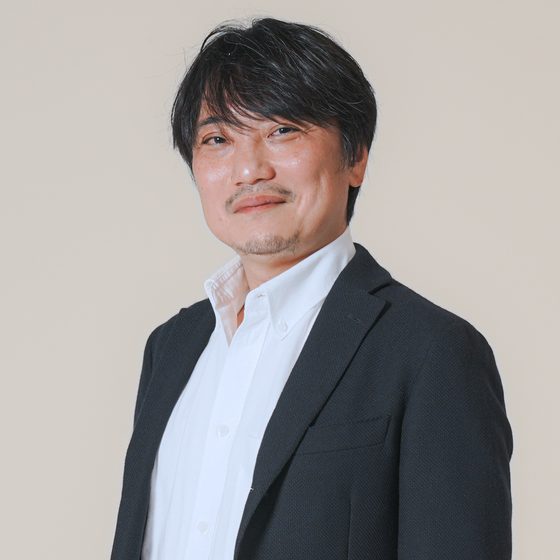
Speaker Spotlight · March 10, 2026
Hironao Kunimitsu: From Mobile Gaming Pioneer to Web3 Empire Builder
Hironao Kunimitsu, founder of gumi and CEO of Financie, joins Tech for Impact Summit 2026 to discuss community ownership tokens, the convergence of gaming and blockchain, and why Japan is uniquely positioned to lead the Web3 era.

Insights · March 9, 2026
Longevity Technology 2026: AI Drugs and Japan's iPSC
Altos Labs, Insilico Medicine and Japan's iPSC pipeline are compressing drug-discovery timelines in the longevity economy.

Insights · March 8, 2026
ESG Disclosure in Japan: From Compliance Cost to Corporate Value
ISSB standards are being adopted and Japan is moving to integrated reporting. How listed companies are using sustainability disclosure, and what the Strategy Dialogue at Tech for Impact Summit 2026 covered.
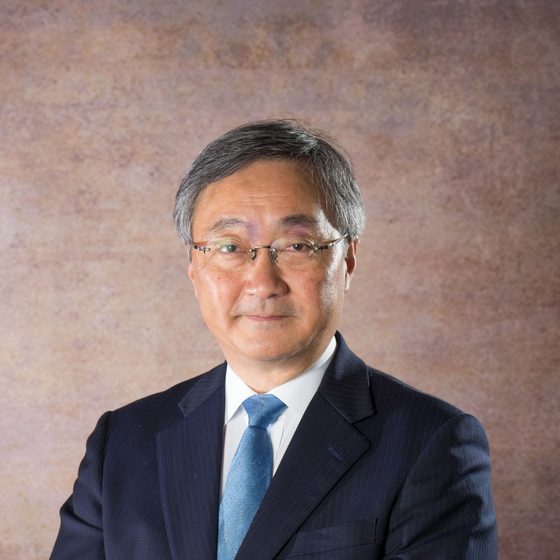
Speaker Spotlight · March 8, 2026
Ken Shibusawa on Patient Capital and Long-Term Value Creation
Ken Shibusawa, Chairman of Commons Asset Management and great-great-grandson of Shibusawa Eiichi, joins Tech for Impact Summit 2026 to discuss why patient capital and long-term thinking are the keys to reimagining capitalism.

Insights · March 7, 2026
Japan Crypto Regulation in 2026: What Companies Need to Know
Japan's fintech rules—from 2017 exchange registration to 2023 stablecoins to 2024 DAO status—have made Tokyo a global crypto hub. Here's what founders need to know.

Speaker Spotlight · March 6, 2026
Sota Watanabe: Building Web3 Infrastructure From Tokyo to the World
Sota Watanabe, founder of Startale Labs and creator of Astar Network, joins Tech for Impact Summit 2026 to discuss why Japan is positioned to lead the next era of Web3 infrastructure.

Insights · March 5, 2026
Impact Investing in Japan: 2026 Landscape
Japan's impact investing market reached JPY 13.4 trillion in 2024, up from JPY 500 billion in 2019.

Speaker Spotlight · March 4, 2026
Ken Suzuki on Algorithms, News, and Democratic Discourse
Ken Suzuki, founder and CEO of SmartNews, joins Tech for Impact Summit 2026 to discuss how algorithmic news curation can strengthen — not undermine — democratic discourse.

Insights · March 3, 2026
5 Reasons Tokyo Is the New Global Hub for Impact Technology
SSBJ sustainability standards, $3.37 billion of startup funding in 2025, and a 100,000-startup target: five concrete reasons Tokyo is where impact technology is being built in 2026.

Speaker Spotlight · March 2, 2026
Jesper Koll on Why Global Capital Is Moving to Japan
Jesper Koll explains how governance reform, wages and domestic demand are drawing global capital back to Japan.
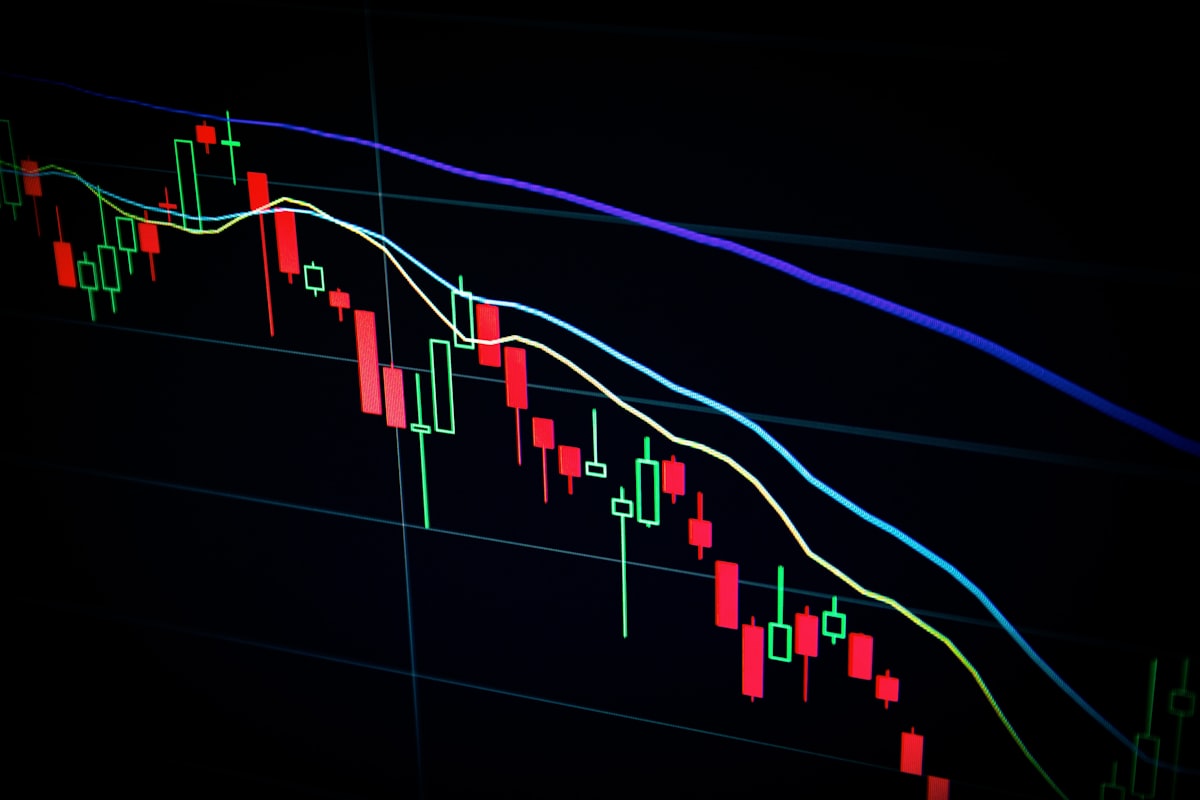
Insights · March 1, 2026
RWA Tokenization 2026: BlackRock BUIDL and JPMorgan
See how BlackRock BUIDL, JPMorgan Onyx and six real-world asset classes are moving institutional capital on-chain.
Be Part of the Conversation
Request an invitation to join leaders shaping the future of technology and impact.
Request an invitation