Yat Siu: Why Gaming and Digital Property Rights Are the Future of Ownership
Yat Siu, Animoca Brands co-founder, joins Tech for Impact Summit 2026 to discuss digital property rights, Web3 gaming, and why Japan is leading the ownership revolution.
A player who has spent thousands of hours in a game, bought skins, earned rare items and built a virtual estate owns none of it. The platform operator can revoke the items, devalue them, or shut the server down.
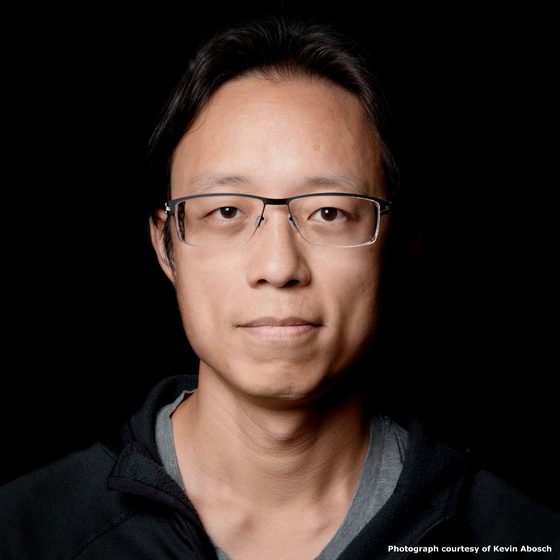
Yat Siu, co-founder and executive chairman of Animoca Brands, has spent the last decade on that problem. He speaks at the Tech for Impact Summit 2026 in Tokyo on April 26.
From Vienna to Hong Kong
Siu was born in Vienna in 1973 to a Taiwanese mother who conducted orchestras and a Hong Kong father who had left the concert stage for business. He trained as a classical musician and joined Atari Germany at seventeen.
He moved to Hong Kong in 1995 and founded Freenation, Asia’s first free web page and email provider. Then came Outblaze, a multilingual cloud services company; he sold its messaging division to IBM in 2009.
In 2014 he co-founded Animoca Brands. It started as a mobile gaming studio. Its stated mission today is to deliver digital property rights to the world’s gamers and internet users. The portfolio spans more than 600 Web3 investments and partnerships, including The Sandbox, one of the better-known metaverse platforms. The company reported $314 million in revenue for 2024 and is pursuing a Nasdaq listing through a reverse merger with Currenc Group, targeting completion in late 2026 at a valuation that could reach $5 billion.
Siu served on Hong Kong’s Task Force on Promoting Web3 Development and was named a Global Leader of Tomorrow by the World Economic Forum.
What He Will Discuss at T4IS 2026
Siu is expected to speak on gaming, blockchain infrastructure, the emerging framework for digital ownership, and why Tokyo is the place to talk about it.
His argument: if the economy is increasingly digital, then being unable to own digital assets means being unable to accumulate wealth. Games, social media, and other platforms take a great deal of value from user participation and return no property rights. Blockchain makes digital assets verifiable, transferable, and held by the user.
He has moved on from the NFT and play-to-earn cycles. In recent interviews he has called 2026 “the year of the utility token,” meaning tokenized assets with real-world uses rather than trading value. Animoca’s own moves match that. The company has gone into real-world asset tokenization with major financial institutions, launched identity infrastructure through its Moca Network with Sony Block Solutions Labs, and obtained a Virtual Asset Service Provider licence in Dubai for its Middle East business.
Gaming is still the core. The global Web3 gaming market was valued at about $31 billion in 2024 and is projected to reach $183 billion by 2034. Play-and-own models, where the economic layer supports the gameplay instead of replacing it, are fixing design failures from the earlier blockchain games. Cross-game interoperability, where an item earned in one game carries value in another, is now being implemented.
Why Japan, and Why Now
Japan has the world’s third-largest gaming market and a regulator that is moving faster on Web3 than most major economies.
In 2025, Japan’s Cabinet Office moved to reclassify crypto assets as financial instruments that contribute to citizens’ wealth. The Financial Services Agency plans to bring crypto under a framework similar to stocks and bonds by 2026, including a cut in the crypto gains tax to a flat 20 percent, the first time digital assets would be taxed like traditional investments. The FSA is also looking at relaxed rules on in-game token usage.
Over 200 new Web3 startups set up in Japan during 2025. The country now counts more than 12 million verified crypto users and over $34 billion in digital assets under local custody. Square Enix, Konami, and Bandai Namco all have NFT or metaverse strategies in production.
For Siu, Japan has the pieces he has argued for: a mature gaming culture, forward-moving regulation, institutional capital, and a craft tradition in digital experiences. Tokyo, host of SusHi Tech Tokyo and a growing number of Web3 events, is where those pieces meet.
Who Else Is on Stage
Former Digital Minister Taro Kono speaks on Japan’s digital transformation from the policy side. Cardano founder Charles Hoskinson covers decentralized infrastructure. GLOBIS Capital Partners’ Yoshito Hori and MPower Partners’ Kathy Matsui speak on impact-driven capital allocation. SmartNews CEO Ken Suzuki and Monex Group’s Jesper Koll cover media and financial markets.
Digital property rights touch financial inclusion, cultural production, regulatory design, and technical architecture at once, and the invitation-only format exists so that those conversations can happen in one room rather than on separate conference tracks.
What Attendees Will Take Away
Three things. The commercial state of digital ownership as an asset class, with its revenue models and regulatory paths. Japan’s position as the jurisdiction where Web3 gaming policy, corporate adoption, and consumer readiness are lining up fastest. And what that means for the attendee’s own organization, in gaming, financial services, media, or technology.
Siu’s presence at T4IS puts digital ownership on the executive agenda. The open question is who writes the rules.
The Tech for Impact Summit 2026 takes place on April 26 in Tokyo. Seats are limited and allocated by invitation. Request your invitation to join Yat Siu and other global leaders shaping the future of technology and impact.