Catalytic Funding & Impact Investment: Bridging Japanese Capital and Global Resilience
Japan sits on one of the world's largest pools of institutional capital — yet most of it remains on the sidelines of global resilience. As geopolitical instability reshapes where and how money flows, this session asks: how can Japanese capital move from passive allocation to active catalyst? Ken Shibusawa, who has spent decades building multi-stakeholder bridges between policymakers, investors, and business leaders, joins Jesper Koll, who has been researching and investing in Japan since 1986, to map the structural shifts needed. Anastasiia Dieieva brings a frontline perspective — leading Ukraine's tech ecosystem through wartime, where catalytic funding isn't theory but survival. Together they explore how impact-first capital can strengthen security, rebuild conflict-affected economies, and unlock new models for Japanese institutional money to meet the world's most urgent challenges.
Speakers
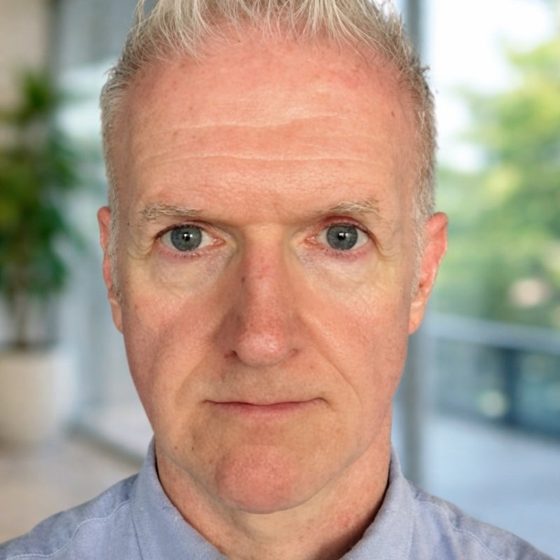
Tim Kelly is a Reuters correspondent in Tokyo covering defense, national security, geopolitics, semiconductors, and Japan's technology industry. He has reported on Japan's expanding military...

Ken Shibusawa founded in 2001, Shibusawa and Company, Inc., an advisory firm engaging multi-stakeholder dialogue among policy leaders, business executives, investment professionals and society at...

Expert Director for the Monex Group and the Japan Catalyst FundJesper Koll has been researching and investing in Japan since becoming a resident in 1986. Over the past two decades, Jesper has been...

Anastasiia Dieieva is the CEO of Tokarev Foundation Ukraine, a pioneering philanthropic organization driving innovation and systemic change in Ukraine's tech ecosystem during wartime. The foundation...