日本は原子炉一基を動かす許可を得るのに14年かけた。実際に動かすには三度かかった
柏崎刈羽6号機が2026年4月16日に営業運転を再開した。福島以降、東京電力として初めての再稼働である。規制委員会の合格は2017年12月、地元同意にはそこからさらに8年かかった。
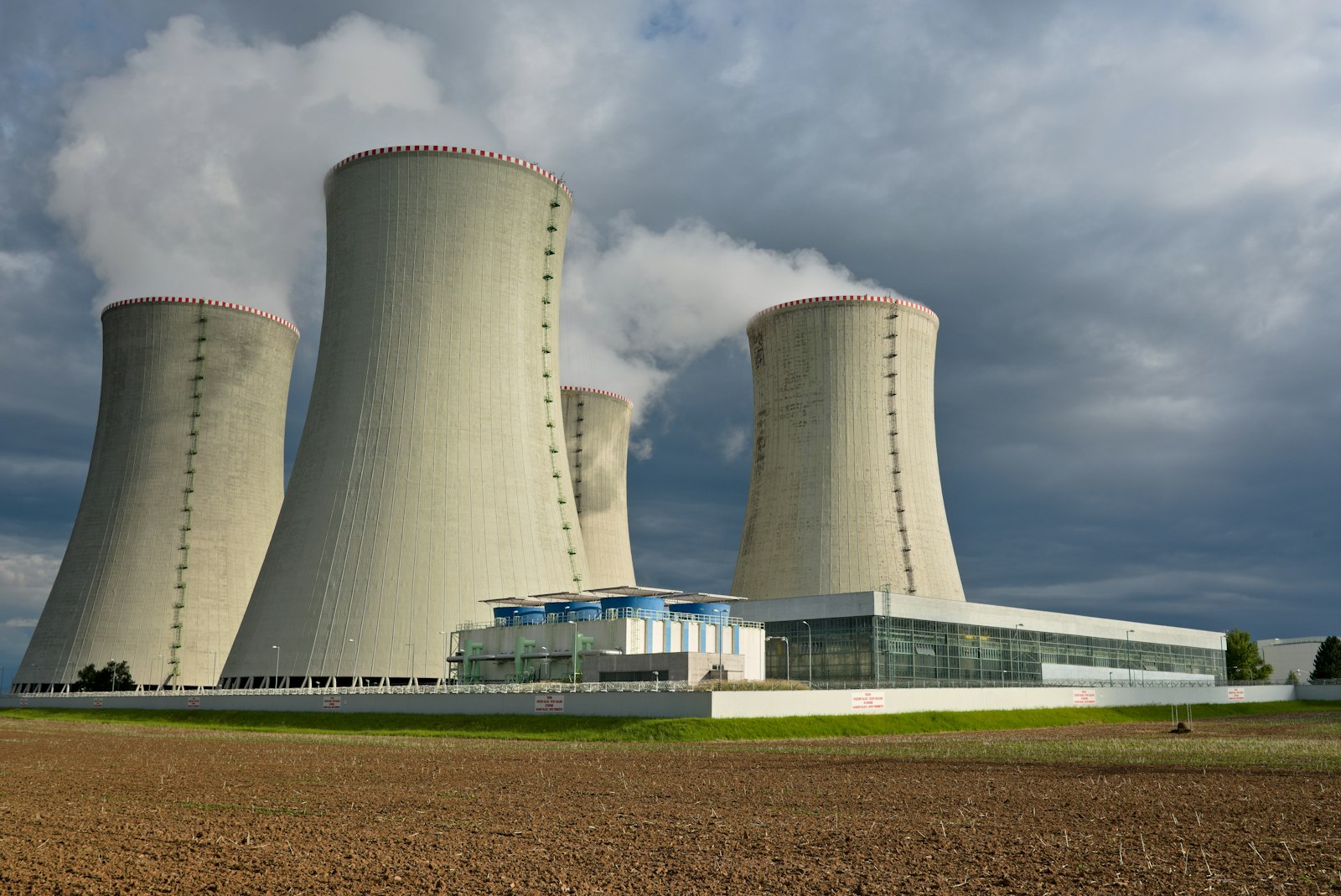
On 16 April 2026, at four in the afternoon local time, Unit 6 of the Kashiwazaki-Kariwa nuclear power station in Niigata Prefecture resumed commercial operation. It had been offline since March 2012. It is the first reactor Tokyo Electric Power Company has returned to service since the Fukushima Daiichi accident, and the last regulatory step was a certification from Japan’s Nuclear Regulation Authority (World Nuclear News).
The reactor is a 1,356 MWe Advanced Boiling Water Reactor. It was built before 2012 and its design has not changed since, so the fourteen years went on permission.
Most clean-energy projects now under way run into a version of the same delay, so this briefing follows the paperwork rather than the reactor.
The fourteen years
Kashiwazaki-Kariwa is the largest nuclear power station in the world by installed capacity: seven units, 9,492 MWe in total (World Nuclear News). Every one of them went offline in the wake of March 2011. The regulator’s technical approval for restarting units 6 and 7 came in December 2017. The reactor then sat idle for another eight years.
The safety case was finished in 2017. What remained was local consent, a step with no statutory definition in Japanese law that in practice no operator can skip. Niigata Governor Hideyo Hanazumi announced his approval on 21 November 2025, framing it in national terms: “The government’s policy is to promote nuclear power generation, which boasts excellent supply stability and technological self-sufficiency.” His decision then had to survive the prefectural assembly, which backed him in a vote of confidence on 22 December 2025, completing the local consent process, eight years after the regulator’s approval.
The three tries
TEPCO restarted the reactor on the evening of 21 January 2026. Shortly after midnight, according to the company, “an alarm was triggered in the control rod operation monitoring system for one control rod during the control rod withdrawal operation, causing the withdrawal operation to be suspended” (World Nuclear News). The startup was called off.
The second attempt reached criticality on 9 February 2026. Commercial operation was scheduled for 18 March. Inspections were required between 20 and 24 February. Then a damaged electric conductor was found in mid-March and the unit shut down again. Commercial operation, originally planned for late February, landed on 16 April, roughly fifty days late after two postponements.
Neither fault was a serious event. A licensed, fully staffed reactor still needed three attempts and an extra seven weeks to come back.
What one reactor is worth
The US Energy Information Administration estimates Unit 6 will produce about 9,500 gigawatt-hours of electricity a year once fully operating, displacing roughly 1.3 million tons of liquefied natural gas, about 62 billion cubic feet of gas imports annually (EIA, 2 March 2026). Natural gas supplied 33% of Japan’s electricity in 2024; nuclear supplied 9%. With Unit 6 back, Japan has 15 operating reactors totalling about 33 GW.
For TEPCO, restarting units 6 and 7 together is estimated to add around ¥100 billion, roughly $633 million to annual earnings. Unit 7 has not restarted; its return has been pushed to 2029–2030.
Unit 6 is 1,356 MWe of a site rated at 9,492 MWe, so the station is running at about 14% of its installed capacity. Units 6 and 7 received the regulator’s approval together in December 2017. Unit 7 is now scheduled for 2029–2030, twelve years after the approval it shares with the unit that came back in April.
The pattern this belongs to
Japan has spent the past two years making large forward commitments in energy: a revised fusion strategy targeting a power-generation demonstration in the 2030s, a hydrogen and ammonia build-out, and a mandatory emissions trading system starting in 2026. All three plans are built around how many years the research will take. At Kashiwazaki-Kariwa, the eight years of local consent outran most of the R&D timelines written into those strategies.
Grid interconnection queues are in large part a paperwork backlog. Offshore wind projects wait on seabed leasing rounds and on negotiations with fisheries, none of which depend on turbine design.
Niigata had its own reasons for caution, and a prefecture that takes eight years to be convinced is exercising a right it has. The time consent takes still sits inside every climate model as an assumption, and very few people are working on shortening it.
The question for anyone deploying
Three things might have shortened the eight years without making the decision worse.
A written standard for local consent would give a decision an end point. A prefectural assembly also needs data it can check without taking the operator’s word for it. And the relationship has to exist before it is needed. An operator that first approaches a community for permission in the middle of a crisis starts from a deficit.
TEPCO’s fourteen years were spent rebuilding a relationship the accident destroyed, in a prefecture with every reason to take its time.
Tech for Impact Summit seats business, policy and culture together because problems like this one span all three.
Tech for Impact Summit 2027 takes place in Tokyo on 18–19 May 2027. It is invitation-only, and open to people who work on permitting and local consent as well as those who build.
2026年4月16日午後4時、新潟県の柏崎刈羽原子力発電所6号機が営業運転を再開した。停止していたのは2012年3月からである。福島第一原発事故以降、東京電力が運転を再開させた初めての原子炉であり、最後の関門は原子力規制委員会による確認だった(World Nuclear News)。
この炉は出力135万6,000キロワットの改良型沸騰水型軽水炉である。2012年以前に建てられ、設計はその後変わっていないから、14年は許可のために費やされたことになる。
いま進行中のクリーンエネルギー事業の多くが、似た遅れに直面している。この記事が炉ではなく手続きを追う理由はそこにある。
14年
柏崎刈羽は設備容量で世界最大の原子力発電所だ。7基、合計949万2,000キロワット(World Nuclear News)。2011年3月を境に、その全基が止まった。6号機と7号機の再稼働について規制委員会の審査に合格したのは2017年12月である。そこから炉はさらに8年動かなかった。
安全性の立証は2017年に終わっていた。残っていたのは地元同意で、日本の法律に定義はないものの、実務上これを飛ばせる事業者はいない。新潟県の花角英世知事が同意を表明したのは2025年11月21日、その理由づけは国のエネルギー政策そのものだった。「供給安定性と技術的自給性に優れる原子力発電を推進するのが国の方針である」。この判断は県議会を通る必要があり、2025年12月22日の知事信任決議をもって地元同意の手続きが完了した。規制委員会の合格から数えて8年後である。
三度
東京電力は2026年1月21日夜に炉を起動した。日付が変わった直後、同社の説明によれば「制御棒の引き抜き操作中に、1本の制御棒について制御棒操作監視系の警報が発生し、引き抜き操作を中断した」(World Nuclear News)。起動は中止された。
二度目の起動が臨界に達したのが2026年2月9日。営業運転入りは3月18日の予定だった。2月20日から24日にかけて検査が入り、3月中旬には電気導体の損傷が見つかって再び停止した。当初2月下旬としていた営業運転の開始は4月16日にずれ込んでいる。二度の延期で、およそ50日である。
いずれも重大な事象ではなかった。それでも、認可済みで要員も揃った炉を戻すのに、三度の起動と7週間の超過がかかった。
原子炉一基の値打ち
米エネルギー情報局(EIA)の見積もりでは、6号機はフル稼働時に年間およそ9,500ギガワット時を発電し、液化天然ガス約130万トン、天然ガス輸入にして約620億立方フィートを置き換える(EIA、2026年3月2日)。2024年の日本の発電量に占める天然ガスは33%、原子力は9%だった。6号機の復帰で、日本の運転中の原子炉は15基、合計約3,300万キロワットになる。
東京電力にとっては、6号機と7号機の再稼働で年間およそ1,000億円(約6億3,300万ドル)の収益改善が見込まれている。7号機はまだ動いておらず、再稼働は2029〜2030年に先送りされた。
これはどの型に属する話か
日本はこの2年、エネルギーで大きな前倒しの約束を重ねてきた。2030年代の発電実証を掲げる改定フュージョン戦略、水素・アンモニアの導入計画、2026年に始まる排出量取引制度。三つとも、研究開発に何年かかるかを中心に組み立てられている。柏崎刈羽では、地元同意の8年がそれらの戦略に書かれた研究開発期間の多くを上回った。
系統連系の待ち行列の相当部分は書類の滞留である。洋上風力の事業は海域利用の公募と漁業者との交渉を待っており、どちらもタービン設計には左右されない。
新潟には慎重になる固有の経緯があり、県が納得するのに8年かけたのは県に認められた権利の行使でもある。ただ、同意にかかる年数はどの気候モデルにも前提として組み込まれており、それを短くしようと取り組む人はごく少ない。
導入する側への問い
決定の質を落とさずにあの8年を縮めるには、何が必要だったか。
地元同意の要件が文書になっていれば、決定に終点ができる。県議会には、事業者の説明を鵜呑みにせずに確かめられるデータも要る。加えて、関係は必要になる前に築いておく必要がある。危機のさなかに初めて地域へ許可を求めに行く事業者は、マイナスからの出発になる。
東京電力の14年は、事故が壊した関係を、時間をかける理由が十分にあった県で組み直していた時間である。
Tech for Impact Summit がビジネス・政策・文化を同席させているのは、この種の問題が三つの領域にまたがるからだ。
Tech for Impact Summit 2027 は2027年5月18日・19日、東京で開催する。招待制。建てる側だけでなく、許認可や地元同意の現場で仕事をしている人にも開かれている。