日本が世界初のiPS細胞由来医薬品を承認した。同じ制度は、一度失敗している
2026年3月6日、日本は世界初のiPS細胞由来医薬品アムチェプリを条件・期限付きで承認した。根拠となった治験の被験者は7人。同じ制度で最初に承認された製品は、2024年に市場から消えている。
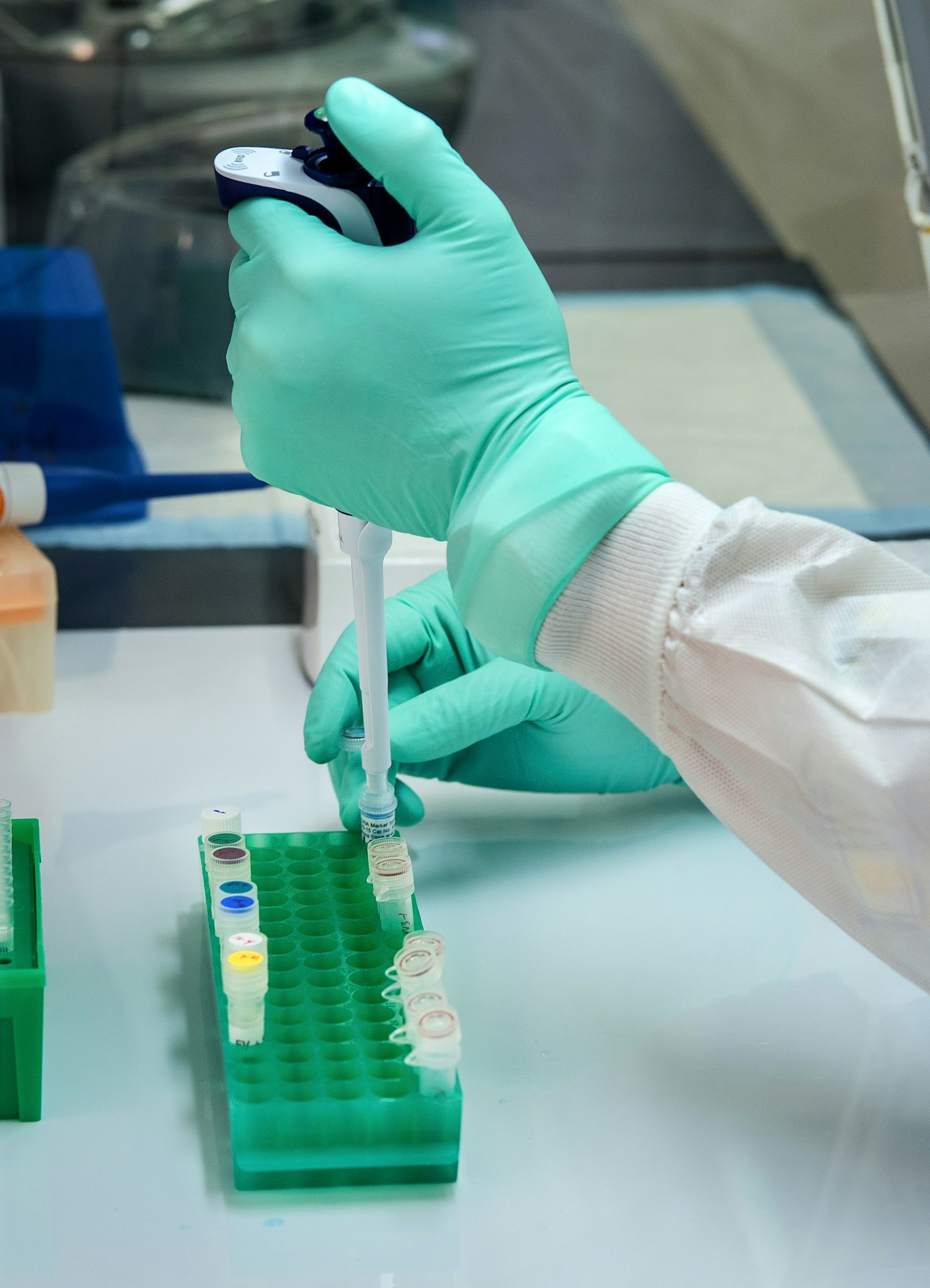
On 6 March 2026, Sumitomo Pharma received approval in Japan for a product called AMCHEPRY. It is a suspension of dopaminergic neural progenitor cells, grown from induced pluripotent stem cells, injected into the brain of a person with Parkinson’s disease whose symptoms no longer respond adequately to levodopa. The company described it, correctly, as the world’s first iPS cell-derived regenerative medicine.
Shinya Yamanaka’s laboratory in Kyoto showed in 2006 that an adult cell could be reprogrammed back to a pluripotent state. Twenty years later, that finding is a licensed product with a price and a reimbursement code. For a country that has spent two decades being told it commercialises its science badly, this is the counterexample.
It is also a conditional licence granted on seven patients, and Japan has issued one of those before.
What was actually approved
The evidence base is a single investigator-initiated clinical study run by Kyoto University Hospital, published in Nature in April 2025. Seven patients, aged between 50 and 69, monitored for two years. No major adverse effects. Four of the seven showed improvement in motor symptoms.
That is a small dataset by the standards of a conventional drug approval, and Japan’s regulator knows it. AMCHEPRY was not granted ordinary marketing authorisation. It was granted conditional and time-limited approval, a pathway written into Japanese law in 2014 when the Pharmaceutical Affairs Law was revised into the PMD Act. The scheme exists only for regenerative medical products, and its logic is specific: cell therapies are hard to run in large randomised trials, the patients who need them are waiting now, so let the product onto the market on a demonstration of safety and probable benefit, and require the sponsor to produce the real efficacy evidence while it sells. If that evidence does not arrive within the term, approval lapses.
Sumitomo Pharma has committed to a post-marketing clinical study and post-marketing surveillance to convert the licence into full approval. That study, not the March announcement, is the thing to watch.
The precedent nobody is citing
The first product ever approved through this pathway was HeartSheet, a sheet of autologous skeletal myoblasts applied to the failing heart. It received conditional and time-limited approval on 18 September 2015, on a study of seven patients. In that study, left ventricular ejection fraction was unchanged in five of the seven and worse in the other two.
The post-marketing study was substantially larger: 49 treated patients against 102 controls. It failed both endpoints — neither the primary endpoint of extending time to cardiovascular death, nor the secondary endpoint of improving ejection fraction. On 19 July 2024, Japan’s Ministry of Health, Labour and Welfare announced that HeartSheet did not meet the criteria for full approval. The manufacturer stopped selling it the following day. The product had cost roughly ¥14.76 million per patient and was never approved or sold anywhere else in the world.
Nine years of market access, funded by a national insurance system, ending in a negative result.
The symmetry with AMCHEPRY is uncomfortable enough to state plainly: both were approved on seven patients, both through the same scheme, both as world-firsts for their cell type. That does not mean AMCHEPRY will fail. The two products differ in mechanism, in the quality of their preclinical case, and in the twenty years of iPS science behind one of them. But anyone reading the March approval as proof of efficacy is reading it wrong. The approval is a statement about a pathway, not about the drug.
The number that makes it a policy question
AMCHEPRY is priced at ¥55.3 million per patient. An advisory panel to the health minister cleared it for coverage under Japan’s national health insurance, with coverage beginning on 20 May 2026 and treatment expected to be available from autumn 2026.
Under Japan’s high-cost medical expense benefit system, which caps monthly out-of-pocket spending by age and income bracket, and with intractable-disease subsidies on top, the individual patient does not pay ¥55.3 million. The insurance system does. That figure covers the drug alone; the stereotactic procedure, the inpatient stay, the imaging and the follow-up are billed separately.
So Japan has done something few health systems have been willing to do. It has agreed to pay, at scale, for a therapy whose efficacy is formally still under investigation, in a disease with a very large prevalent population and an ageing one at that. That is not a criticism. It is a description of the bet, and the bet is deliberate: early access buys evidence that a conventional trial in this modality might never generate, and Japan has decided the option is worth the premium.
HeartSheet is what the downside of that bet looks like on the books.
Why this is an export, not just a domestic story
Every major jurisdiction is now writing accelerated pathways for cell and gene therapies, because every major jurisdiction has run into the same wall: the trials that regulators want are the trials that these products are worst suited to. The EU, the UK, the US and Korea are all building versions of the same idea.
Japan has something none of them has. It has been running this experiment since 2014, and it has a decade of outcomes — including a full negative cycle, from approval through failed confirmatory study to withdrawal, executed without the system seizing up. The most valuable thing Japan can currently export in regenerative medicine may not be a cell line. It is the operating experience of a regulator that has actually had to take a product away.
That experience is worth more if it is shared while other systems are still drafting. It is worth considerably less once they have finished.
What has to be true from here
Three things, none of which the March approval settles.
The confirmatory study has to read out. A conditional licence is a loan against future evidence. The post-marketing programme is the repayment, and its design — endpoints, comparator, sample size — determines whether the answer will be interpretable at all. HeartSheet’s post-marketing study was interpretable, which is precisely why it ended the product.
Manufacturing has to hold. An allogeneic iPS-derived product is made from a master cell bank, differentiated, characterised and released as a batch. Consistency across batches is a manufacturing problem, not a biology problem, and it is where cell therapy programmes most often lose years. Nobody has yet run this process at commercial volume.
The payment model has to survive success. A ¥55.3 million therapy for a small treated population is affordable. The same therapy at scale, in a country where a quarter of the population is over 65, is a different conversation. Japan’s insurance system will have to decide how to price durable one-time treatments against the chronic-care costs they displace — an accounting question the system was not built to answer.
None of these are reasons for caution about the science. They are the reasons the science alone will not determine whether this works, and they belong in rooms containing regulators, payers, manufacturers and the investors funding the next twelve programmes.
Tech for Impact Summit 2027 takes place in Tokyo on 18–19 May 2027. T4IS is an invitation-only executive summit, convening leaders across business, policy and capital around technology aimed at the world’s most urgent problems — health and longevity among them.
If you are building, funding, or regulating in this space, you can join the 2027 waitlist at tech4impactsummit.com/apply.