AIの飽くなき電力需要:誰も答えていないクリーンエネルギーの問い
AIデータセンターは2030年までに日本経済全体に匹敵するエネルギーを消費する可能性がある。Tech for Impact Summit 2026で、核融合・核分裂・兆ドル規模のインフラギャップに向き合う。
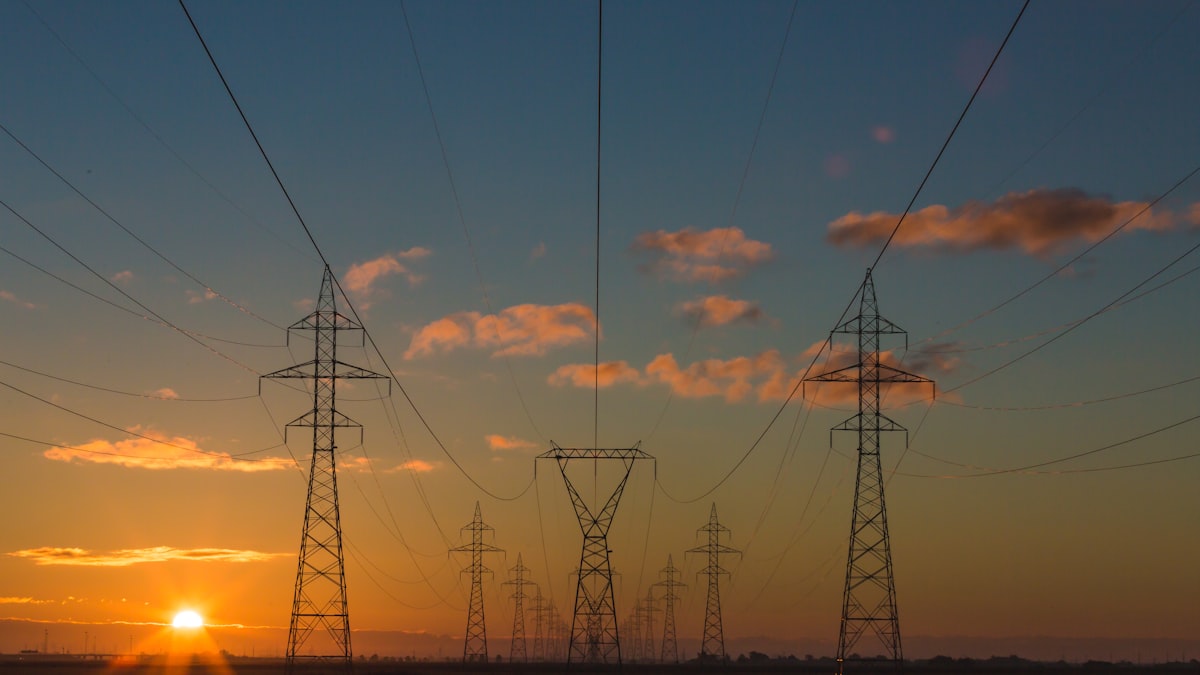
By some estimates, AI data centers will use as much electricity as Japan’s entire economy by 2030. A single training run for a frontier AI model can draw more power than a small city uses in a year. Demand is still rising.
Utilities and grid operators are already planning around it, and it will be one of the main topics at Tech for Impact Summit 2026.
Supply
Most of the new load comes from AI workloads that did not exist five years ago.
Fusion
Fusion has attracted over $6 billion in private investment since 2021. Kyoto Fusioneering, run by engineers from Japan’s national fusion program, is building components and supply chain for commercial fusion plants ahead of the physics being fully settled.
Next-generation fission
Small modular reactors (SMRs) are meant to be safer and cheaper than conventional plants and can be sited closer to demand. Japan shut most of its nuclear fleet after Fukushima and is now revisiting that position. What has not been decided is how much comes back, and under which rules.
Renewables at scale
Solar and wind keep getting cheaper. Intermittency is still unsolved for baseload power, and battery storage cannot yet cover a data center that runs 24 hours a day.
The investment gap
The International Energy Agency estimates that meeting global clean energy demand will take $4.5 trillion in annual investment by 2030, roughly triple current levels.
At Tech for Impact Summit 2026, the “Clean Energy Supercycle” Strategy Dialogue brings energy executives, deep tech investors and policy leaders into one room to work through it:
- Who finances the transition? Utilities cannot carry it alone, and neither can venture capital. What capital structures fill the gap?
- How does Japan’s energy mix evolve? Japan has limited land for renewables and an unsettled relationship with nuclear.
- Can AI help supply the power it consumes? Grid optimization, and materials discovery for next-generation batteries and fusion components.
Why Japan
Japan is the world’s third-largest energy consumer and has almost no domestic fossil fuel resources.
Japan also has deep institutional expertise in nuclear engineering, advanced materials science and precision manufacturing. The components inside fusion reactors and next-generation fission plants will likely be built, at least in part, in Japan.
Tech for Impact Summit 2026 takes place April 26 at Kioi Conference, Tokyo. Join the 2027 waitlist →