日本の炭素市場が始動:経営者が知るべきこと
2026年4月、日本の排出権取引制度が始動。主要排出企業300〜400社に報告義務。企業、投資家、テクノロジーエコシステムへの影響を解説。
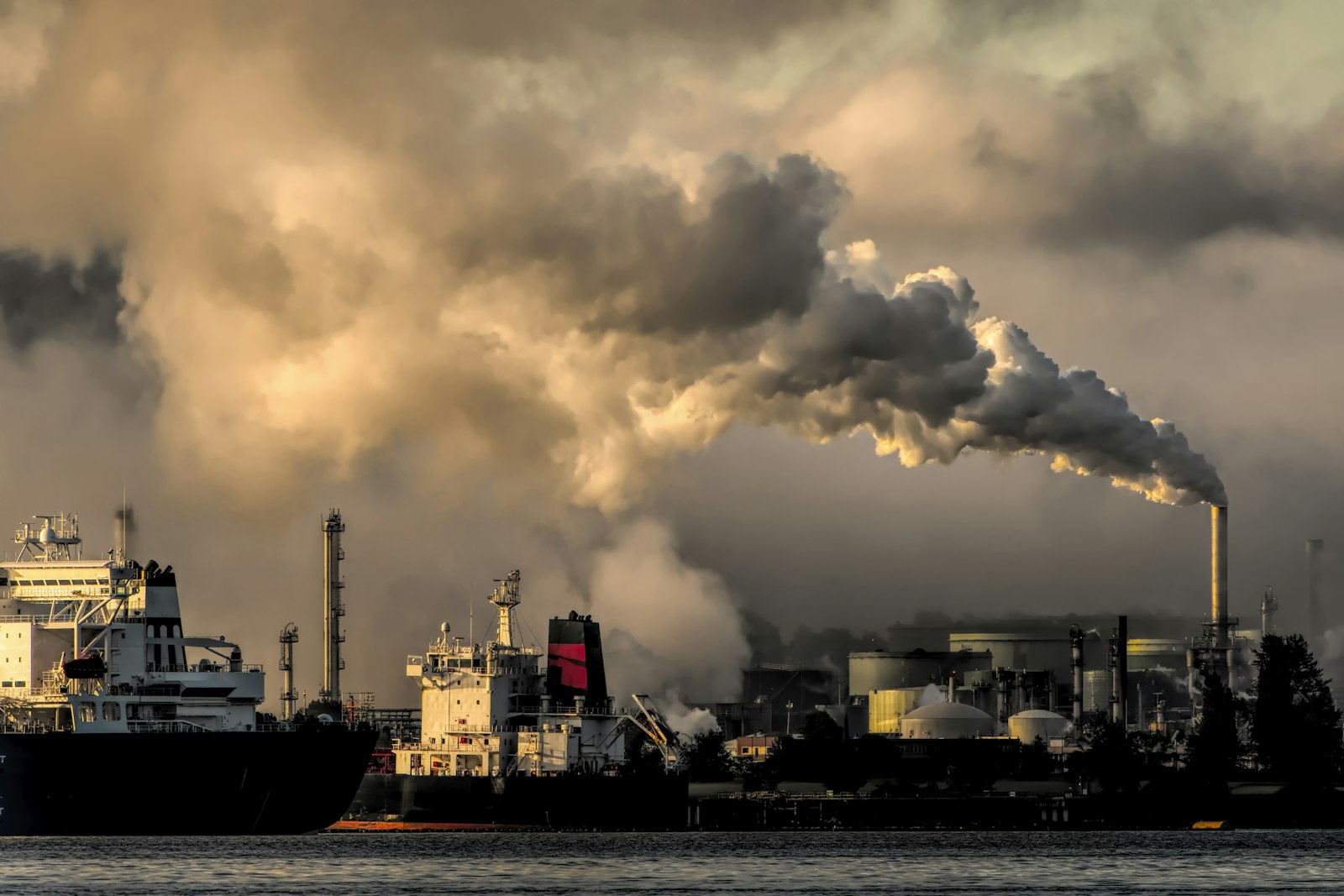
As of April 2026, Japan’s mandatory emissions trading framework is in effect. Roughly 300 to 400 companies, those with annual direct emissions of at least 100,000 metric tons of CO2, now have to measure and report their emissions. Together they account for approximately 60% of Japan’s national total.
The old framework was voluntary. This one is the base layer of a regulated carbon market, and it will change how Japanese heavy industry spends money over the next decade.
What changed
Japan has been edging toward a national emissions trading system for years. The GX (Green Transformation) League, launched in 2023, was voluntary: companies could opt in, set their own targets, and trade credits on a best-effort basis.
The new system requires Japan’s largest direct emitters, including power generators, steel makers, chemical producers and cement manufacturers, to submit verified calculations of their Scope 1 emissions. Scope 1 means direct emissions from sources the company owns or controls: smokestacks, furnaces, vehicle fleets.
By September 2027, these companies must set formal reduction targets in line with Japan’s 2050 carbon neutrality commitment. The year after that, the government distributes emissions allowances and opens trading. A company that emits less than its allocation can sell the surplus. One that emits more has to buy.
Carbon now has a price in Japan, and a regulated market will set it.
Beyond compliance
For a large Japanese corporation, the first job is operational: measurement systems, reporting infrastructure, people who know how to run both. Most companies in the 300-400 cohort already track emissions in some form, but voluntary disclosure and mandatory, verifiable reporting are held to different standards.
Compliance is only the first effect.
Corporate strategists get a new variable in every capital allocation decision. A factory expansion, an M&A target, a supply chain configuration all now carry a carbon cost. A company that decarbonizes faster than its peers holds credits it can sell. Carbon efficiency shows up on the balance sheet.
Investors get something that has been missing from Japanese markets: comparable, auditable emissions data at scale across the largest emitters. Impact investors, ESG-integrated funds and transition finance specialists have complained for years about the quality and consistency of Japanese corporate emissions data. Mandatory, standardized reporting removes that complaint. Allocation models can start using carbon intensity with far more precision than before.
Technology builders get a new market. A working emissions trading system needs real-time monitoring, verification platforms, trading systems, carbon accounting software and sensor networks inside industrial processes. Japan’s heavy industry will not reach its reduction targets on intent alone. It will need tools, and it will need them on a short timeline.
Why Scope 1
The policy covers Scope 1 only. It leaves out Scope 2 (purchased electricity) and Scope 3 (supply chain and product lifecycle emissions), which for many companies make up most of their footprint.
Scope 1 is the easiest category to measure and verify. Starting there lets Japan build regulatory credibility and market infrastructure on solid data before moving into the harder, more contested territory of Scope 2 and 3. It also puts the initial burden on the sectors where emissions are most concentrated and where reduction technology is most mature.
Executives should not expect the scope to stay narrow. The EU ETS, California’s cap-and-trade and South Korea’s K-ETS all started with direct emissions and all expanded over time. Companies that prepare for Scope 2 and 3 reporting now will be ready when Japan’s framework widens.
Where Japan sits globally
Japan’s system enters a crowded field. The EU Emissions Trading System has run since 2005 and covers roughly 40% of EU emissions. China launched the world’s largest carbon market in 2021, covering its power sector. South Korea’s K-ETS has operated since 2015.
Japan is late. Being late has one advantage: policymakers could study the price volatility of the early EU market, the enforcement problems in China’s system and the sector-coverage fights in South Korea before designing their own.
Timing matters for another reason. The EU’s Carbon Border Adjustment Mechanism (CBAM) is phasing in, which in practice puts a carbon tariff on imports from countries without equivalent carbon pricing. A domestic carbon price lowers the risk that Japanese exporters of steel, aluminum and chemicals get charged at European borders.
A domestic carbon market is trade policy as much as environmental policy.
What companies are doing before 2027
Some companies are not waiting for September 2027. Four things they are doing:
Auditing emissions infrastructure. Measurement systems, data pipelines and internal controls built for voluntary reporting were built to a communications standard. The new requirement is a regulatory standard, and the gap between the two is wider than most companies expect.
Modeling carbon cost scenarios. What does the business look like with carbon at JPY 3,000 per ton? JPY 10,000? JPY 20,000? Companies that have run those numbers will react faster once trading opens.
Mapping reduction pathways. Energy efficiency, electrification and process optimization are available today and pay for themselves. Hydrogen, carbon capture and next-generation materials take longer and cost more. Knowing the abatement curve in advance makes the capital decisions easier.
Hiring carbon expertise. Emissions trading, carbon finance and climate risk modeling are specialist fields, and most Japanese corporations have little of that talent in-house. It needs to be there before the market opens.
The wider policy set
The carbon market is one of several moves landing at once. Mandatory SSBJ sustainability disclosure standards are phasing in for listed companies. The FSA’s impact investment guidelines are pushing institutional capital toward measurable environmental outcomes. The GX bond program has mobilized JPY 20 trillion for green transition investments.
Taken together, carbon intensity, sustainability performance and transition readiness are becoming inputs to how Japanese companies are valued and how capital gets allocated to them. Companies in the first cohort have until September 2027 to file their targets.
On April 26, 2026, the Tech for Impact Summit brings together the executives, investors, and policymakers shaping Japan’s sustainability transformation, with sessions on ESG disclosure, clean energy, and the capital flows driving the transition. It takes place at Kioi Conference, Tokyo, as a partner event of SusHi Tech Tokyo.
Seira Yun is the Founder and CEO of Socious Inc. and organizer of the Tech for Impact Summit.