國光宏尚:モバイルゲームの先駆者からWeb3帝国の建設者へ
gumi創業者でありFinancie CEOの國光宏尚がTech for Impact Summit 2026に登壇。コミュニティオーナーシップトークン、ゲームとブロックチェーンの融合、そしてなぜ日本がWeb3時代をリードする独自のポジションにあるかを語る。
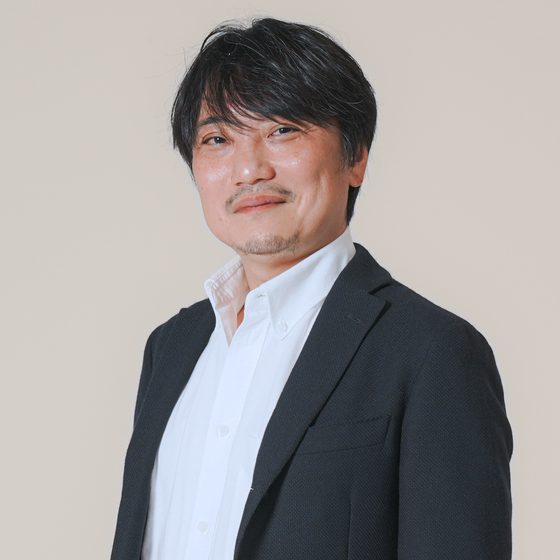
Hironao Kunimitsu founded gumi Inc. in 2007, built it into one of Japan’s larger mobile gaming companies and listed it on the Tokyo Stock Exchange in 2014. In 2019 he started Financie. Sports teams and creators use it to issue blockchain tokens to their own supporters.
Financie has since put several years of operating data behind the idea. On April 26 Kunimitsu speaks at the Tech for Impact Summit 2026 in Tokyo alongside Cardano founder Charles Hoskinson and Startale’s Sota Watanabe.
The gumi Years
Kunimitsu founded gumi in 2007, the year Apple launched the iPhone. Japan’s mobile market then ran on feature phones and proprietary carrier platforms, the “Galapagos phones” that were technically advanced and commercially sealed off from the rest of the world. He read earlier than most that smartphones would give Japanese developers the same global marketplace as studios in San Francisco, Seoul and Helsinki.
gumi developed and published mobile RPGs, a genre with deep roots in Japanese gaming, and pushed them into overseas markets while most Japanese studios still treated export as an afterthought. The playbook was fast title launches, data-driven tuning of in-game economies and heavy user-acquisition spending. The 2014 listing on the Tokyo Stock Exchange followed.
It also showed him the limits of the platform model every mobile studio lived inside. Apple’s App Store and Google Play set the rules. Thirty percent of every dollar went to the platform. The developer’s relationship with its users ran through algorithms it did not control. Free-to-play with in-app purchases pulled most of the money from a small group of heavy spenders. The wider player base, the people who made a game popular, got nothing they could keep.
Kunimitsu has described the problem in his own talks and writing. Mobile gaming built engagement models where users spent money and owned nothing. When a game shut down, and most mobile games eventually do, the community that had put in time, attention and money walked away with zero.
Financie
Financie launched in 2019. Sports teams, creators, communities and organizations use it to issue their own tokens, which give holders an economic stake in the community’s growth and a vote on some of its decisions.
A professional soccer team issues community tokens. Fans buy them. Holders vote on things like which player fronts the next marketing campaign or what the new merchandise looks like. They get access to experiences that are not for sale to the general public. And if the community grows, they gain from it. The token is not designed for trading; its value tracks how active the community is.
Fan tokens had been tried before, often badly. What Kunimitsu did differently was build for organizations with no blockchain staff. Financie handles the token infrastructure, the compliance work and the user-facing app, so a local sports club or an independent creator can issue tokens without hiring a Solidity developer or dealing with exchange listings. The target customer was never the crypto-native; it was the club manager who had never held a wallet. The aim was for community tokens to become an ordinary feature of how an organization deals with its supporters, like a newsletter or a membership card.
Japanese professional sports teams, content creators and community organizations have launched on the platform. According to Financie’s own data, token holders come back more often, take part in governance more, and stay engaged longer than users of conventional membership or subscription platforms.
The Argument Beyond Sports
The skeptic’s line on Financie is that it is a niche product for crypto fans who like sports. Kunimitsu’s argument, from two decades in digital economies, is wider.
The internet’s main business model, platform intermediation paid for by advertising, has produced enormous scale and an enormous concentration of value at the platform. The creators, communities and users who generate the content, data and network effects capture a shrinking share of what they produce.
Community tokens change who holds the economic relationship. When a sports team issues them, its supporters become stakeholders with a financial reason to help the club grow, on top of the sentimental one.
The same mechanism works elsewhere: a media organization funded by reader-owners instead of advertisers, an open-source project whose contributors earn governance tokens in proportion to their work, a neighborhood issuing tokens that fund public goods and rise in value as the area improves. Kunimitsu has made this case in books, lectures and public commentary across Japan, where local commerce and community ties still carry real weight even as platforms take over more of economic life.
Japan’s Position
Kunimitsu, Sota Watanabe of Startale and others in Japan’s Web3 cohort make a case for Japan that rests on a few specifics.
Japan’s Financial Services Agency has written down rules for exchange licensing, custody, stablecoin issuance and token classification. Most jurisdictions have not. An institutional investor or a listed company that cannot move without compliance certainty can get it in Japan, and a number of them have started building there for that reason.
Japan also owns a disproportionate share of the world’s most recognized intellectual property, across gaming, anime, manga, music and professional sports. Those are the industries where a token tied to a team or a creator means something to the person holding it, and where a mainstream audience can understand token ownership without a primer on DeFi.
And Japanese commerce already runs on long customer relationships, in small business and in the fan communities that keep Japanese cultural production going. Financie’s tokens formalize that kind of participation and pay loyalty in ownership rather than points, which is one reason the platform found its first customers in Japan rather than abroad.
Gaming and Blockchain
Many of the bigger Web3 builders worldwide came out of gaming, and the reason is practical. Game designers have spent decades running digital economies with virtual currencies, marketplaces, reward systems and engagement loops. Keeping an in-game economy with millions of players balanced, without inflation and without boredom, is the same skill as designing token economics for a real community.
The engagement analytics that ran gumi’s RPGs shape how Financie designs token mechanics. Knowing what brings a player back on day 30, what gets them to contribute rather than just buy, and what keeps them for years comes from a decade of running live games. Kunimitsu has run both a game studio with millions of players and a token platform, which is still a short list.
What Executives Should Listen For
The Tech for Impact Summit 2026 is built for people deciding where their institution stands on a technology and where its capital goes. Kunimitsu’s session is aimed at a few of those decisions.
The first is how to read a community token proposal when it lands on a boardroom table. Most of what the market has seen so far is speculative token launches, and they have given the whole category a bad name. Kunimitsu has run a listed gaming company and a token platform, and he has watched both kinds of project up close. He will set out what he looks at to tell a platform that will still have active holders in five years from one that will not: who holds the tokens, what they can do with them, and whether the community’s activity or the trading price is driving the value.
The second is what the merger of gaming, community and blockchain means for companies whose business is content. Media groups, entertainment companies, sports organizations and consumer brands are being pitched token-based engagement now. Financie’s operating data on retention, governance participation and engagement length is some of the only evidence from a platform that has run at scale in a regulated market, and he will bring it.
The third is why Japan’s position matters outside Japan. Watanabe speaks to infrastructure and Hoskinson to the protocol layer. Kunimitsu covers the application layer, and the argument that Japan’s combination of content, written rules and commercial culture makes it the most likely place for Web3 to reach ordinary consumers first. For a global institution deciding where to test these models, that is a question of where to place the first bet.
The session will not sit at the level of a tokenomics whitepaper. The subject is what this transition does to strategy at companies that hold IP, run communities, or manage the capital behind them.
The Tech for Impact Summit 2026 takes place on April 26 in Tokyo. Seats are limited and allocated by invitation. Request your invitation to join Hironao Kunimitsu, Charles Hoskinson, Sota Watanabe, and other global leaders in technology and impact.